Jordan
Jordan stands as one of the Middle East’s most captivating destinations—a country where ancient civilizations, dramatic landscapes, and warm hospitality come together to create an unforgettable travel experience. Strategically located at the crossroads of Asia, Africa, and Europe, Jordan blends its rich cultural heritage with modern comfort and stability, making it a welcoming and accessible gateway for travelers.
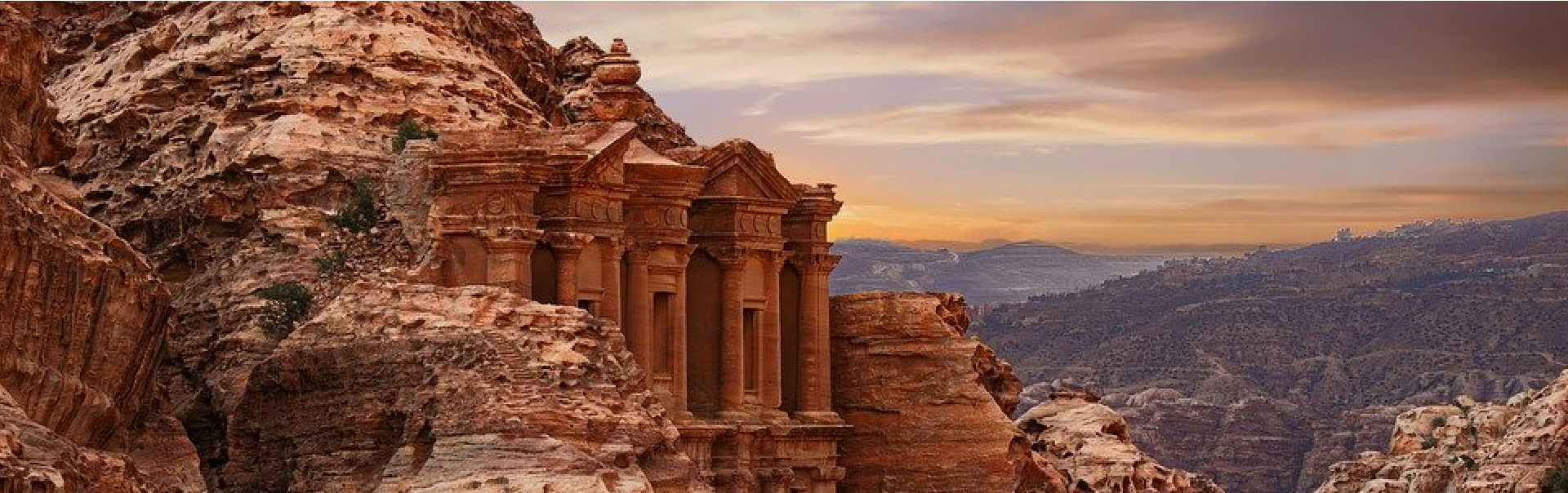
Jordan’s historical tapestry stretches back thousands of years. From the rose-red rocks of Petra, one of the New Seven Wonders of the World, to the Roman ruins of Jerash, the Crusader castles of Karak, and the biblical landscapes surrounding Mount Nebo and the Jordan River, the country offers an unrivaled window into ancient civilizations. Each site tells a story—Nabatean ingenuity, Roman grandeur, Islamic legacy—woven into a heritage proudly preserved.
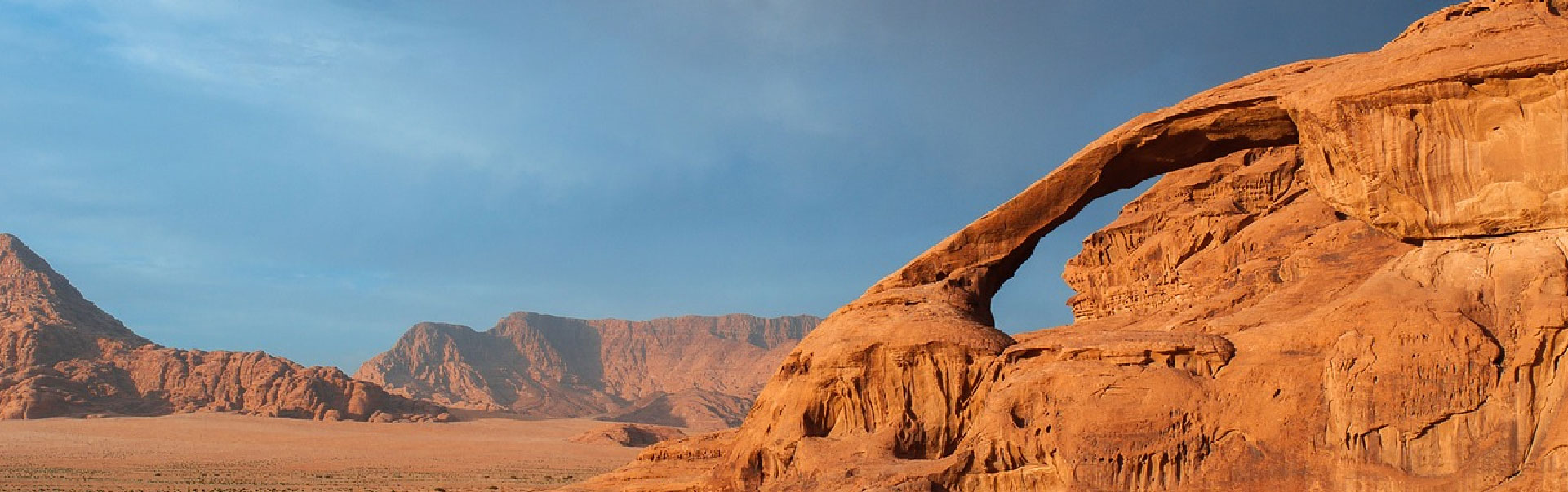
Beyond its archaeological treasures, Jordan showcases some of the Middle East’s most striking natural scenery. The vast desert expanse of Wadi Rum, with its towering sandstone cliffs and red dunes, offers cinematic beauty and unforgettable night skies. The Dead Sea, Earth’s lowest point, provides a unique buoyant swim and mineral-rich mud treatments. Meanwhile, the Dana Biosphere Reserve and Mujib Biosphere Reserve offer hiking, canyoning, and diverse ecosystems for nature lovers.
Jordanian hospitality—rooted in Bedouin traditions—remains one of the country’s greatest delights. Whether sharing a cup of mint tea, tasting mansaf (the national dish), or staying in a desert camp under the stars, visitors are welcomed with genuine warmth. The country’s stability and emphasis on visitor safety make it one of the region’s most traveler-friendly destinations.
Jordan
stands as one of the Middle East’s most captivating destinations—a country
where ancient civilizations, dramatic landscapes, and warm hospitality come
together to create an unforgettable travel experience. Strategically located at
the crossroads of Asia, Africa, and Europe, Jordan blends its rich cultural
heritage with modern comfort and stability, making it a welcoming and
accessible gateway for travelers.
Jordan’s historical tapestry stretches back thousands of years. From the rose-red rocks of Petra, one of the New Seven Wonders of the World, to the Roman ruins of Jerash, the Crusader castles of Karak, and the biblical landscapes surrounding Mount Nebo and the Jordan River, the country offers an unrivaled window into ancient civilizations. Each site tells a story—Nabatean ingenuity, Roman grandeur, Islamic legacy—woven into a heritage proudly preserved.
Beyond
its archaeological treasures, Jordan showcases some of the Middle East’s most
striking natural scenery. The vast desert expanse of Wadi Rum, with its
towering sandstone cliffs and red dunes, offers cinematic beauty and
unforgettable night skies. The Dead Sea, Earth’s lowest point, provides a
unique buoyant swim and mineral-rich mud treatments. Meanwhile, the Dana
Biosphere Reserve and Mujib Biosphere Reserve offer hiking, canyoning, and
diverse ecosystems for nature lovers.
Jordanian
hospitality—rooted in Bedouin traditions—remains one of the country’s greatest
delights. Whether sharing a cup of mint tea, tasting mansaf (the national
dish), or staying in a desert camp under the stars, visitors are welcomed with
genuine warmth. The country’s stability and emphasis on visitor safety make it
one of the region’s most traveler-friendly destinations.
1. Amman
(Capital Region)
- The political, economic, and
cultural center of Jordan.
- Known for its modern cityscape
blended with ancient sites.
- Key areas include Abdoun, Jabal
Amman, Downtown (Al-Balad), Sweifieh, and Jabal Al-Weibdeh.
2. Dead Sea
Region
- Famous for being the lowest point
on Earth.
- Known for luxury resorts,
therapeutic mud, and scenic desert landscapes.
- Popular with wellness travelers.
3. Petra
Region (Ma’an Governorate)
- Home to the world-famous Petra, one
of the New 7 Wonders of the World.
- Includes Wadi Musa, Little Petra,
and surrounding desert mountains.
4. Aqaba
(Red Sea Region)
- Jordan’s only coastal city.
- Known for beaches, diving, marine
life, and water activities.
- A top resort destination with a
relaxed holiday vibe.
5. Wadi Rum
(Southern Desert Region)
- Also known as the Valley of the
Moon.
- A vast desert area famous for red
sand dunes, rock formations, and Bedouin camps.
- A popular spot for stargazing, jeep
tours, camel rides, and filming locations.
6. Northern
Jordan (Irbid, Jerash, Ajloun)
- Characterized by green hills,
forests, and archaeological treasures.
- Home to Jerash, one of the world’s
best-preserved Roman cities.
- Ajloun Forest Reserve and Ajloun
Castle are major highlights.
7. The
Jordan Valley (including the River Jordan & Baptism Site)
- Fertile agricultural region running
from the north to the Dead Sea.
- Includes the Baptism Site of Jesus
Christ (Al-Maghtas), a major religious pilgrimage destination.
8. Madaba
& Mount Nebo Region
- Known as the City of Mosaics.
- Home to ancient churches,
beautifully preserved mosaic maps, and panoramic viewpoints from Mount
Nebo.
9. Karak and
Shobak (Castles Region)
- Famous for massive Crusader castles
like Karak Castle and Shobak Castle.
- Great for history lovers and those
exploring Jordan’s medieval heritage.
Top
Attraction Sites in Jordan
1. Petra –
The Rose-Red City
- One of the New 7 Wonders of the
World.
- Famous for the Treasury
(Al-Khazneh), the Siq canyon entrance, the Monastery, and ancient Nabatean
tombs.
- A must-visit highlight of Jordan.
2. Wadi Rum
– The Valley of the Moon
- A surreal desert of red sand, rock
bridges, and massive sandstone mountains.
- Famous for stargazing, Bedouin
camps, jeep tours & hot-air balloon rides.
- Filming location for movies like The
Martian and Dune.
3. Dead Sea
- The lowest point on Earth.
- Known for floating in salt-rich
waters and applying healing Dead Sea mud.
- Wellness resorts and stunning
desert landscapes are major draws.
4. Amman
Citadel & Roman Theatre (Amman)
- Historic landmarks in the capital.
- The Citadel offers ancient ruins,
including the Temple of Hercules.
- The Roman Theatre is an impressive
6,000-seat amphitheater in downtown Amman.
5. Jerash –
Ancient Roman City
- One of the best-preserved Roman
cities worldwide.
- Highlights include Hadrian’s Arch,
the Forum, the Cardo street, temples, and theatres.
- A top spot for archaeology lovers.
6. Aqaba –
Red Sea Resort City
- Crystal-clear waters ideal for
diving, snorkeling, and boat cruises.
- Vibrant coral reefs, beach resorts,
and water sports.
7. Mount
Nebo
- Significant biblical landmark where
Moses is believed to have seen the Promised Land.
- Offers sweeping views over the
Jordan Valley, Jericho, and the Dead Sea.
8. Madaba –
The City of Mosaics
- Known for its ancient churches and
vibrant mosaic artwork.
- The highlight is the famous Madaba
Map, the oldest known map of the Holy Land.
9.
Al-Maghtas – Baptism Site of Jesus Christ
- UNESCO World Heritage Site.
- A major pilgrimage destination
along the Jordan River.
10. Karak
Castle
- A massive hilltop Crusader castle.
- Offers immersive medieval history
and excellent views.
11. Shobak
Castle (Montreal Castle)
- Another iconic Crusader fortress
near Petra.
- Less crowded but historically rich.
12. Dana
Biosphere Reserve
- Jordan’s largest nature reserve.
- Stunning canyons, wildlife, hiking
trails, and eco-lodges.
13. Umm Qais
(Gadara)
- Overlooking the Sea of Galilee,
Golan Heights, and Yarmouk River.
- Known for Greco-Roman ruins and
scenic sunsets.
1. Clothing
Jordan has a
mix of desert heat, cool nights, and conservative cultural norms. Pack:
Essential
Clothing
- Lightweight, breathable clothing
(cotton/linen)
- Long pants or maxi skirts
(especially for religious sites)
- T-shirts or loose long-sleeve tops
- A warm layer (evenings can get
chilly)
- Comfortable walking shoes
- Sandals for resort areas
- A scarf or shawl (useful for sun
protection or modesty)
Seasonal
Clothing
- Summer (May–Sept): Light, airy
clothes; sunhat; sunglasses
- Winter (Dec–Feb): Warm jacket,
sweater, socks, and possibly gloves (Amman gets cold)
- Desert nights (Wadi Rum): Warm
clothing for overnight stays
2. Travel
Essentials
- Passport + travel documents
- Copies of ID and bookings
- Credit/debit cards + some cash
(Jordanian Dinar)
- Reusable water bottle
- Daypack for tours and hikes
- Travel adapter (Type C, D, F, and G
sockets — universal adapter recommended)
3. Health
& Personal Care
- Sunscreen (very important)
- Lip balm & moisturizer (desert
dryness)
- Basic medication (painkillers,
stomach remedies, antihistamines)
- Wet wipes & hand sanitizer
- Personal first-aid kit
- Motion sickness tablets (if doing
long drives or boat trips)
4. Desert
& Adventure Gear
Especially
useful for Petra, Wadi Rum, and Dead Sea:
- Hat or cap for sun protection
- Hiking shoes or sturdy sneakers
- Flashlight or headlamp (desert
nights, Petra by Night)
- Travel towel
- Swimming gear (for the Dead Sea
& Aqaba)
- Water shoes (helpful for rocky
beaches in Aqaba)
5.
Electronics
- Phone + charger
- Power bank
- Camera or GoPro
- Extra memory cards
- Universal travel adapter
- Portable WiFi or local SIM (easy to
buy at airport)
6. Modesty
Items (Important for Cultural Sites)
- Scarf or shawl for women (mosques,
traditional towns)
- Avoid very short shorts or
revealing clothes at religious/historic sites
7. Extras
You’ll Appreciate
- Snacks for long tours
- Travel journal
- Sunglasses
- Small lock for your luggage
- A lightweight rain jacket
(Nov–March)
8. For the
Dead Sea
- Old swimsuit (the salty water can
be harsh on fabrics)
- Water shoes
- Waterproof phone case
- Plastic bag for salty/wet clothes
Season-by-Season
Breakdown
1. Spring
(March – May) – Excellent
- Warm days, cool nights
- Wildflowers and greenery in
northern Jordan
- Great for Petra hikes, Wadi Rum
tours, and Dead Sea trips
- Peak tourist season, so book early
2. Summer
(June – August) – Hot but manageable
- Temperatures can reach 35–40°C,
especially around the Dead Sea and Wadi Rum
- Aqaba (Red Sea) is warm and ideal
for swimming and diving
- Fewer crowds except at beach
resorts
Best for:
Travelers who prefer heat, beaches, and water activities.
3. Autumn
(September – November) – Excellent
- Comfortable temperatures similar to
spring
- Clear skies and perfect outdoor
weather
- Great for all major attractions
including Petra, Jerash, and desert adventures
4. Winter
(December – February) – Cool to very cold
- Amman and northern areas can be
chilly (5–12°C)
- Occasional rain and even snow in
higher areas
- Wadi Rum gets very cold at night
- Dead Sea and Aqaba remain warm
enough for swimming
Best for:
Budget travelers and those who don’t mind cooler weather.