Mozambique
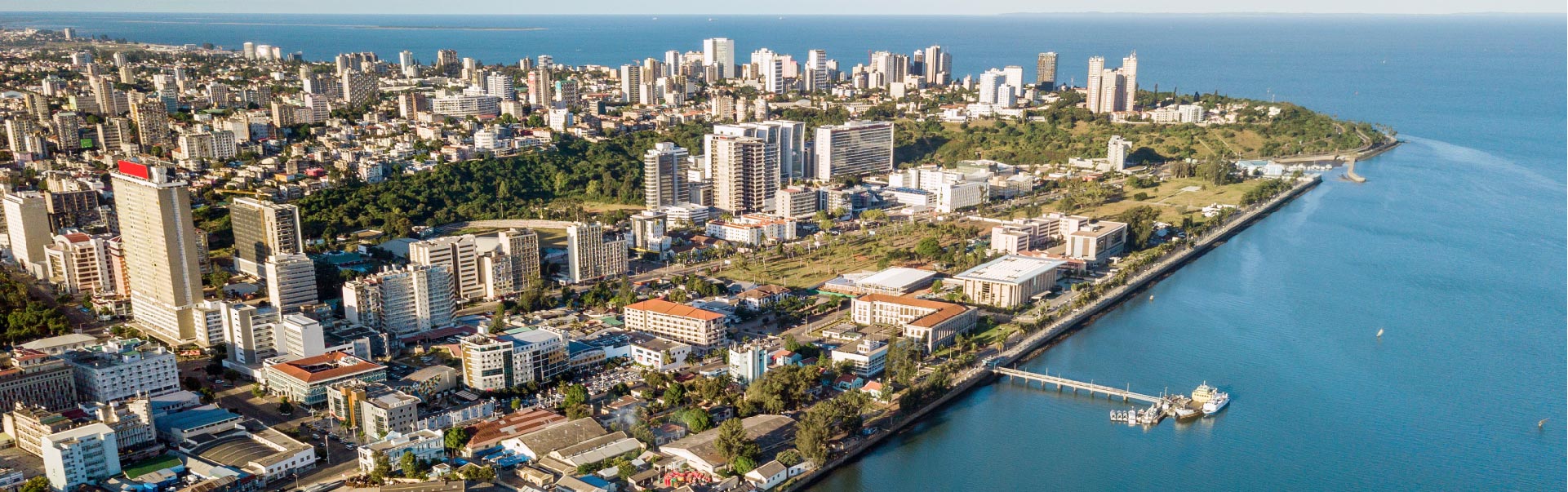
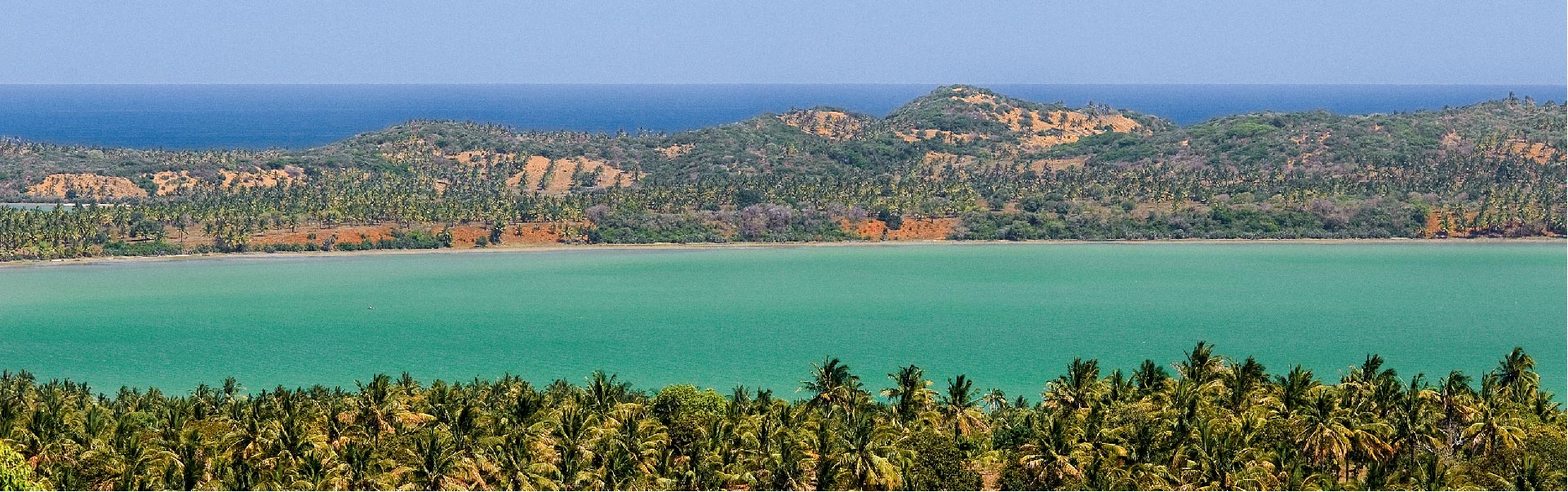
Mozambique, stretching along the southeastern coast of Africa, is a nation defined by its vibrant culture, rich maritime history, and some of the most spectacular coastlines on the continent. With warm turquoise waters, thriving coral reefs, and a diverse cultural blend, Mozambique stands as one of Africa’s most captivating destinations. Mozambique’s culture is a vibrant blend of African, Arab, and Portuguese influences, shaped by centuries of coastal trade.
It is a nation of rich musical traditions—marrabenta being one of the most distinctive genres—and expressive dance styles found across its ethnic groups such as the Makua, Sena, Tsonga, and Makonde. Portuguese is the official language, while numerous local languages are widely spoken. Mozambique’s craftsmanship is internationally recognized, especially Makonde wood carvings and masks.
Mozambique is experiencing a conservation revival. Once-devastated ecosystems, especially in Gorongosa National Park, are being restored through successful partnerships that focus on wildlife protection, reforestation, and community development. Marine conservation is also significant, with the Bazaruto and Quirimbas archipelagos protecting dugongs, sea turtles, whale sharks, and diverse coral species.
Mozambique, stretching along the southeastern coast of Africa, is a nation defined by its vibrant culture, rich maritime history, and some of the most spectacular coastlines on the continent. With warm turquoise waters, thriving coral reefs, and a diverse cultural blend, Mozambique stands as one of Africa’s most captivating destinations. Mozambique’s culture is a vibrant blend of African, Arab, and Portuguese influences, shaped by centuries of coastal trade.
It is a nation of rich musical traditions—marrabenta being one of the most distinctive genres—and expressive dance styles found across its ethnic groups such as the Makua, Sena, Tsonga, and Makonde. Portuguese is the official language, while numerous local languages are widely spoken. Mozambique’s craftsmanship is internationally recognized, especially Makonde wood carvings and masks.
Mozambique is experiencing a conservation revival. Once-devastated ecosystems, especially in Gorongosa National Park, are being restored through successful partnerships that focus on wildlife protection, reforestation, and community development. Marine conservation is also significant, with the Bazaruto and Quirimbas archipelagos protecting dugongs, sea turtles, whale sharks, and diverse coral species.
Mozambique is
divided into three major regions with a mix of coastal cities, historic
islands, wildlife reserves, and beach towns.
1. Northern
Region
A breathtaking,
exotic region known for its islands, marine reserves, and Swahili-Portuguese
history.
- Pemba – gateway to the Quirimbas
Archipelago
- Ilha de Moçambique – UNESCO World Heritage island
with deep history
- Nampula – major northern city
- Quirimbas Islands – luxury lodges, coral reefs,
pristine beaches
- Niassa – home to Niassa Reserve (huge
wilderness area)
2. Central
Region
A mix of
coastal towns, river landscapes, and cultural heritage sites.
- Beira – major port city
- Quelimane – coastal city known for coconut
groves
- Gorongosa – gateway to Gorongosa National
Park
- Tete – Zambezi River city surrounded by
rocky landscapes
3. Southern
Region
The most
visited region—famous for beaches, islands, nightlife, and marine adventures.
- Maputo – capital city with vibrant
culture and cuisine
- Tofo & Inhambane – diving, whale sharks, beaches
- Vilankulo – gateway to Bazaruto Archipelago
- Bazaruto Islands – luxury islands, dunes, turquoise
water
- Xai-Xai – relaxed coastal town
Mozambique
offers world-class beaches, marine life, culture, wildlife, and islands.
Ø Bazaruto Archipelago National Park
Ø Tofo Beach
Ø Ilha de Moçambique
Ø Gorongosa National Park
Ø Quirimbas National Park
Ø Maputo City
Ø Vilankulo & Islands
Ø Niassa Reserve
Ø Chidenguele & Xai-Xai
Ø Limpopo National Park
Ø Wood Carvings
Ø Local Art & Paintings
Ø Handwoven Baskets & Crafts
Ø Capulana Fabric (Mozambican Chitenje)
Ø Mozambique Tea & Coffee
Ø Jewelry & Accessories
Ø Spices & Local Foods
Ø Natural Beauty Products
Ø Cultural Pottery & Ceramics
Ø Musical Instruments
Mozambique is a
year-round destination, but beach and marine conditions vary.
1. Best
Overall Time: May – October (Dry Season)
Most
recommended for travel.
✔
Beaches
✔ Diving
& snorkeling
✔ Island
hopping
✔
Safaris
2. Warm
& Rainy Season: November – April
Lush landscapes
but more rain and humidity.
- Beautiful green scenery
- Great for budget travel
- Best months for whale sharks (Tofo)
Keep in
mind:
- Cyclone risk (mainly Jan–March)
- Roads can be muddy in rural areas