Zimbabwe
Zimbabwe,
a landlocked nation in southern Africa, is known for its dramatic landscapes,
rich cultural traditions, and deep historical roots. From ancient stone
structures to thundering waterfalls, Zimbabwe offers a powerful blend of
natural beauty and human story. Its
landscape is shaped by high plateaus, lush river valleys, and expansive
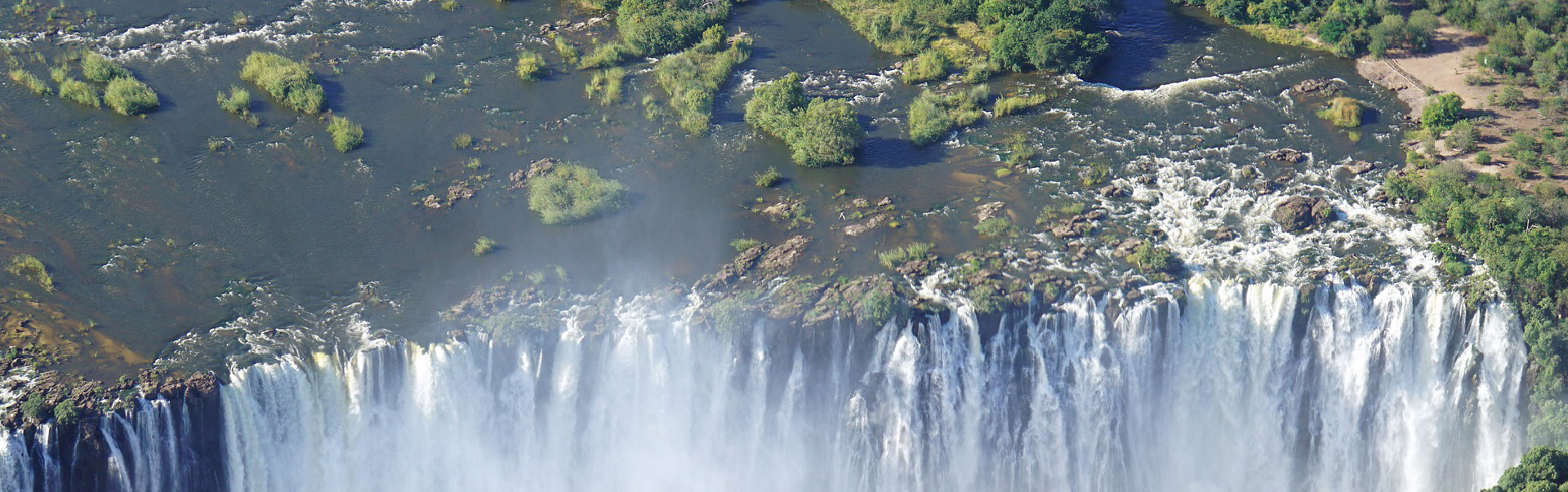
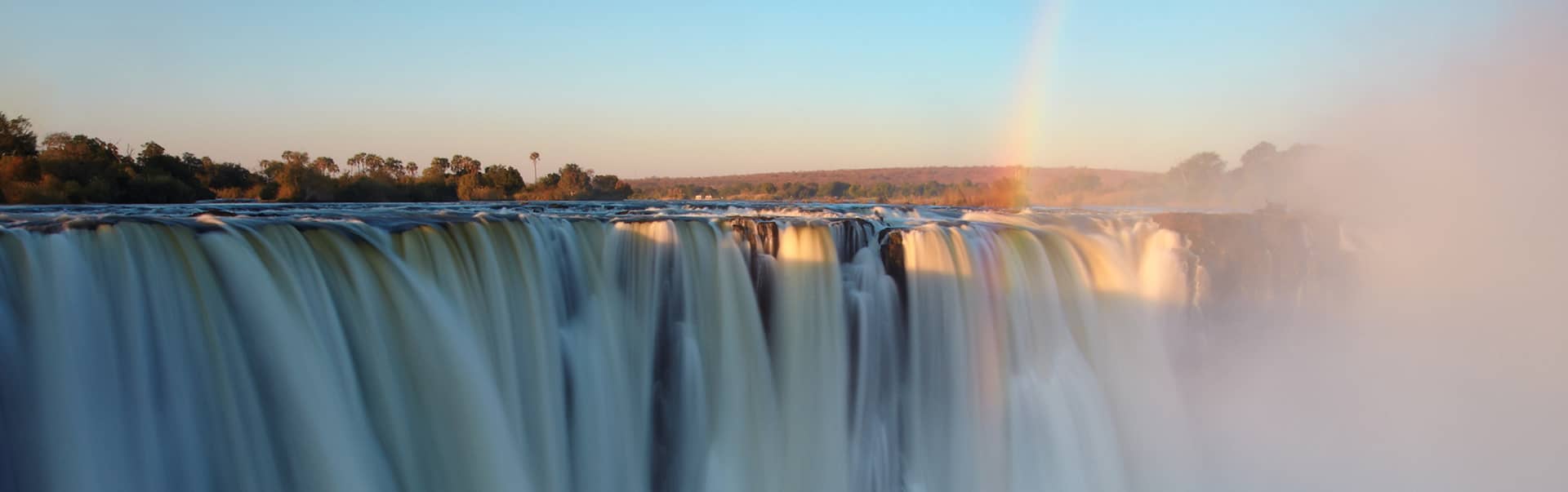
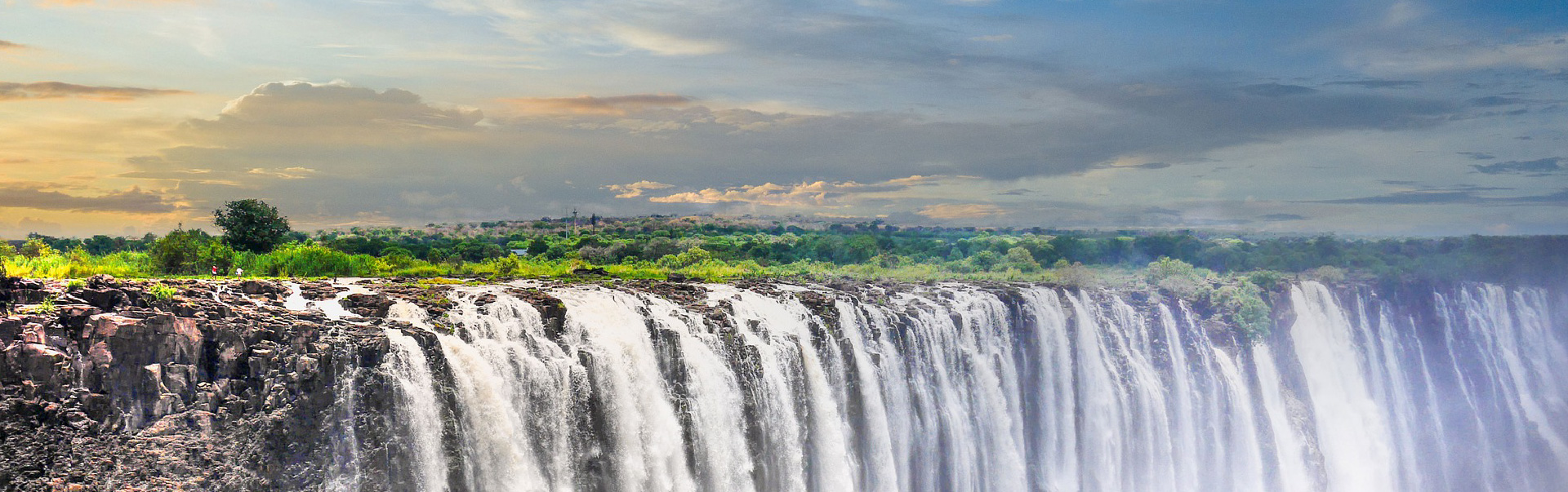
savannas. Its most famous natural attraction is Victoria Falls, one of the
largest and most awe-inspiring waterfalls on Earth, shared with neighboring
Zambia. The country is also home to stunning national parks such as Hwange,
known for its elephants, and Mana Pools, a UNESCO World Heritage Site famed for
its pristine wilderness.
Zimbabwe’s
culture is predominantly influenced by the Shona and Ndebele peoples, who bring
distinct languages, art forms, and traditions. Shona stone sculpture, mbira
(thumb-piano) music, and colorful Ndebele murals are celebrated globally.
English, Shona, and Ndebele are the most widely spoken languages among the
nation’s 16 official languages.
Zimbabwe’s
history stretches far beyond modern borders. The ruins of Great Zimbabwe, a
massive stone city built between the 11th and 15th centuries, stand as one of
Africa’s greatest archaeological treasures and the source of the nation’s name.
In modern times, the country transitioned from British colonial rule (as
Rhodesia) to independence in 1980, with Robert Mugabe as the first prime
minister. Zimbabwe’s post-independence era has seen both achievements and
challenges, including economic instability, land reform tensions, and political
shifts.
Zimbabwe,
a landlocked nation in southern Africa, is known for its dramatic landscapes,
rich cultural traditions, and deep historical roots. From ancient stone
structures to thundering waterfalls, Zimbabwe offers a powerful blend of
natural beauty and human story. Its
landscape is shaped by high plateaus, lush river valleys, and expansive
savannas. Its most famous natural attraction is Victoria Falls, one of the
largest and most awe-inspiring waterfalls on Earth, shared with neighboring
Zambia. The country is also home to stunning national parks such as Hwange,
known for its elephants, and Mana Pools, a UNESCO World Heritage Site famed for
its pristine wilderness.
Zimbabwe’s
culture is predominantly influenced by the Shona and Ndebele peoples, who bring
distinct languages, art forms, and traditions. Shona stone sculpture, mbira
(thumb-piano) music, and colorful Ndebele murals are celebrated globally.
English, Shona, and Ndebele are the most widely spoken languages among the
nation’s 16 official languages.
Zimbabwe’s
history stretches far beyond modern borders. The ruins of Great Zimbabwe, a
massive stone city built between the 11th and 15th centuries, stand as one of
Africa’s greatest archaeological treasures and the source of the nation’s name.
In modern times, the country transitioned from British colonial rule (as
Rhodesia) to independence in 1980, with Robert Mugabe as the first prime
minister. Zimbabwe’s post-independence era has seen both achievements and
challenges, including economic instability, land reform tensions, and political
shifts.
Zimbabwe is
divided into five main travel regions, each offering incredible
landscapes, wildlife, cultural sites, and natural attractions.
1. Northern
Region
Home to
Zimbabwe’s most iconic attractions, wildlife treasures, and the mighty Zambezi
River.
Key Areas
Ø Victoria Falls – one of the world’s natural wonders
Ø Hwange – major safari hub
Ø Kariba – lake resorts and fishing
Ø Mana Pools – UNESCO World Heritage wilderness
Ø Chinhoyi – caves and cultural sites
2. Central
Region
The cultural,
political, and commercial heart of the country.
Key Areas
Ø Harare – capital city with museums, gardens, nightlife
Ø Chinhoyi Caves – deep blue pools
Ø Mazowe & Bindura – farming and scenic hills
Ø Mutorashanga – green pool and landscapes
3. Eastern
Highlands
A cool,
mountainous, misty region known for waterfalls, forests, and scenic views.
Key Areas
Ø Nyanga – mountains, trout fishing
Ø Mutare – eastern gateway city
Ø Chimanimani – hiking paradise
Ø Vumba Mountains – lush forests and viewpoints
4. Western
Region
A region of
wildlife, caves, and cultural heritage.
Key Areas
Ø Bulawayo – second-largest city
Ø Matobo – stunning rock formations
Ø Kwekwe & Gweru – mining and wildlife centers
5. Southern
Region
Famous for
ancient ruins, wildlife areas, and desert-like landscapes.
Key Areas
Ø Masvingo – home to Great Zimbabwe
Ø Beitbridge – Limpopo River border
Ø Gonarezhou – rugged wilderness
Top Attractions in Zimbabwe
Zimbabwe offers
world-class wildlife, landscapes, and cultural sites.
- Victoria Falls
- One of the largest and most famous
waterfalls on earth
- Hwange National Park
- Elephants, lions, and classic
African safari landscapes
- Mana Pools National Park
- Canoe safaris, elephants, walking
tours, UNESCO site
- Great Zimbabwe Ruins
- Ancient stone city with deep
historical significance
- Matobo National Park
- Rock paintings, balancing rocks,
rhinos, cultural sites
- Eastern Highlands
- Nyanga, Vumba & Chimanimani
mountains with cool misty views
- Lake Kariba
- Houseboats, sunsets, fishing,
crocodiles and hippos
- Chinhoyi Caves
- Deep limestone caves with blue
water pools
- Bulawayo & Museums
- National History Museum, railway
museum
- Gonarezhou National Park
Rugged wilderness, elephants, dramatic cliffs
 Wood
Carvings & Sculptures
Wood
Carvings & Sculptures
Local
Art & Paintings
Traditional
Baskets & Crafts
Zimbabwe
Fabrics & Textiles
Zimbabwe
Tea & Coffee
Jewelry
& Accessories
Precious
Stones & Minerals
Handmade
Leather Products
Natural
Beauty Products
Cultural
Souvenirs
Zimbabwe is a
great year-round destination, but seasons affect wildlife viewing and waterfall
flow.
1. Best
Overall Time: May – October (Dry Season)
This is the top
recommended time to visit.
Ø Prime wildlife viewing
Ø Clear skies and cool temperatures
Ø Great for Victoria Falls on the Zambian
side
Ø Safaris at their peak
2. Warm
& Wet Season: November – April
Lush, green
landscapes with afternoon rains.
Ø Beautiful green scenery
Ø Thunderous Victoria Falls flow (highest
Feb–May)
Ø Excellent birdwatching
Ø Lower prices