Kenya
Kenyais a vibrant and diverse country located in East Africa, known for its richcultural heritage, breathtaking landscapes, and dynamic economy. Its capitaland largest city, Nairobi, is one of Africa’s most influential urban centers,serving as a hub for business, diplomacy, and innovation. Kenya’s coastline onthe Indian Ocean provides access to beautiful beaches and historic towns like Mombasa,while its interior is home to the world-famous Great Rift Valley and MountKenya, Africa’s second-highest peak.
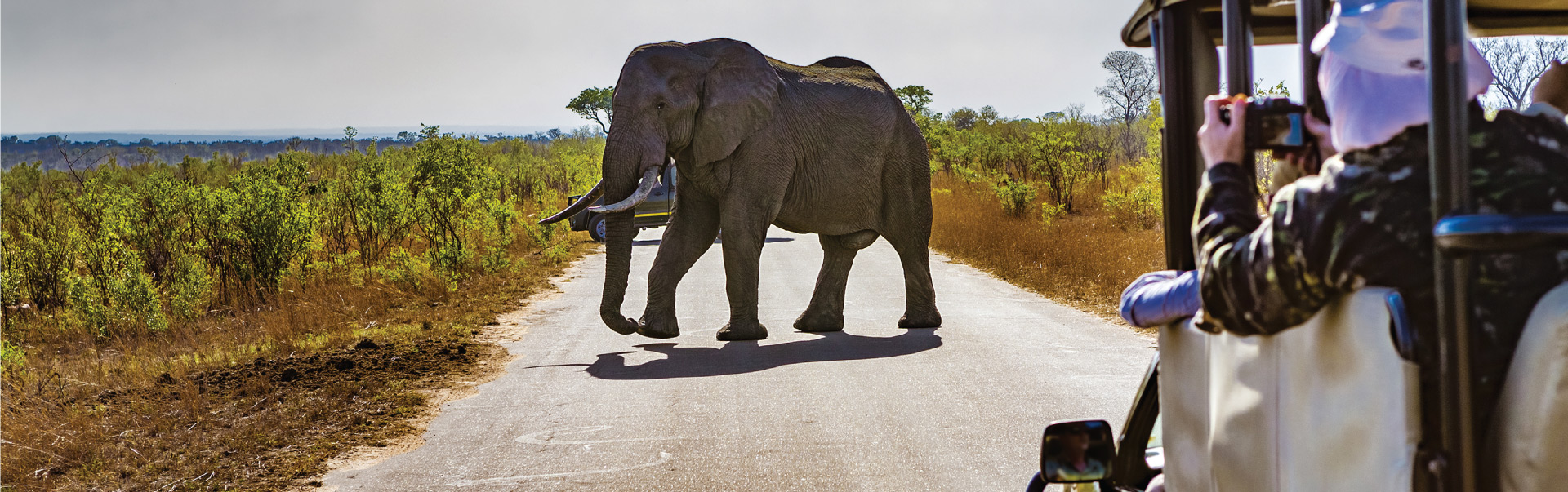
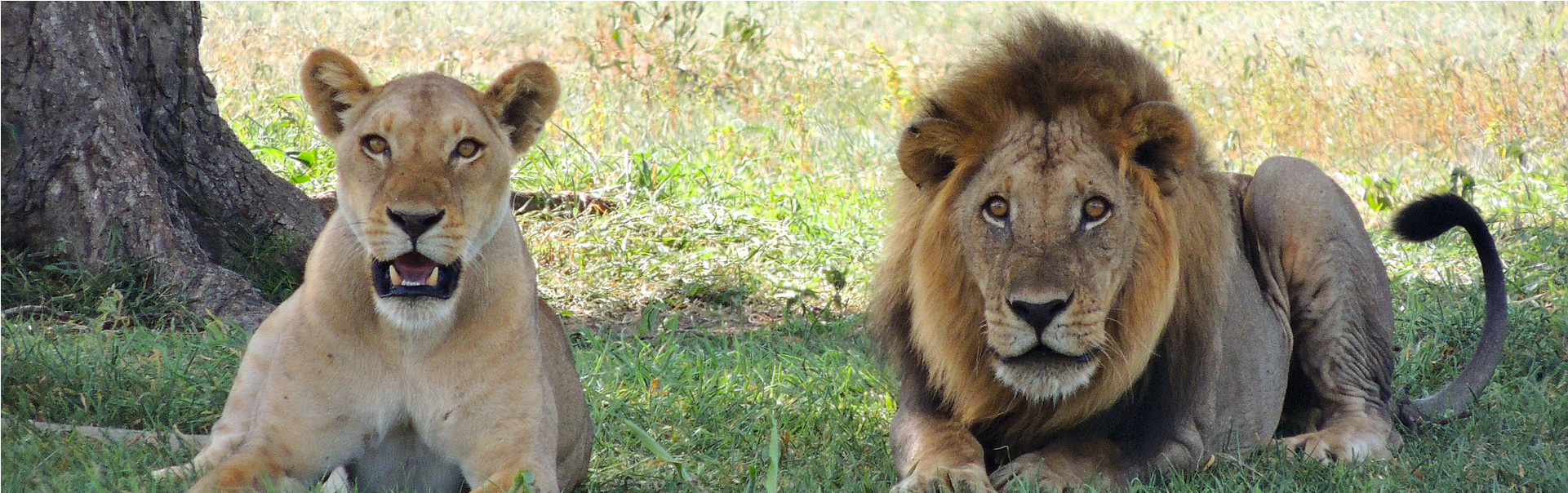
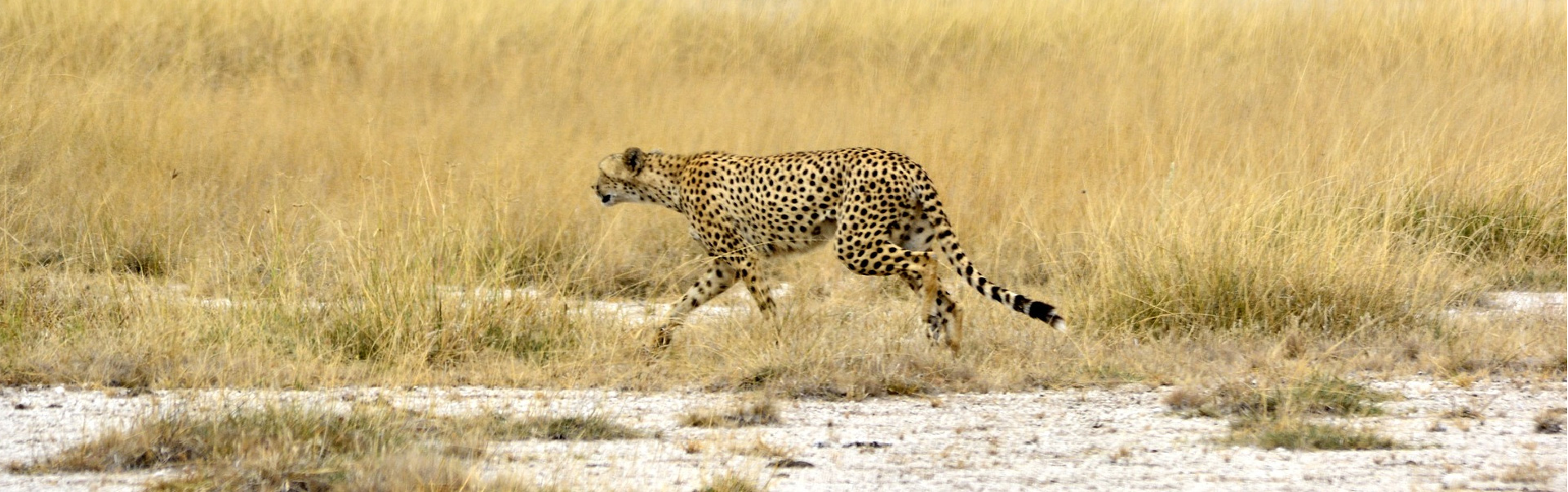
Thecountry is globally recognized for its wildlife and national parks, includingthe Maasai Mara, Amboseli, Tsavo, and Lake Nakuru, which attract millions oftourists annually. These parks are home to the “Big Five” (lion, leopard,elephant, buffalo, and rhino) and host one of the world’s greatest naturalspectacles—the Wildebeest Migration.
Kenya’sculture blends traditional African heritage with modern influences. Music,dance, art, and storytelling are integral parts of community life. The Maasai,known for their colorful attire and warrior traditions, are among the mostrecognized groups globally. Kenyan cuisine features staples like ugali (maizemeal), sukuma wiki (collard greens), nyama choma (grilled meat), and chapati.
Kenya is a vibrant and diverse country located in East Africa, known for its rich culturalheritage, breathtaking landscapes, and dynamic economy. Its capital and largest city,Nairobi, is one of Africa’s most influential urban centers, serving as a hub for business,diplomacy, and innovation. Kenya’s coastline on the Indian Ocean provides access tobeautiful beaches and historic towns like Mombasa, while its interior is home to the worldfamous Great Rift Valley and Mount Kenya, Africa’s second-highest peak.The country is globally recognized for its wildlife and national parks, including the MaasaiMara, Amboseli, Tsavo, and Lake Nakuru, which attract millions of tourists annually.These parks are home to the “Big Five” (lion, leopard, elephant, buffalo, and rhino) andhost one of the world’s greatest natural spectacles—the Wildebeest Migration.Kenya’s culture blends traditional African heritage with modern influences. Music, dance,art, and storytelling are integral parts of community life. The Maasai, known for theircolorful attire and warrior traditions, are among the most recognized groups globally.Kenyan cuisine features staples like ugali (maize meal), sukuma wiki (collard greens),nyama choma (grilled meat), and chapati.


Kenya is grouped into eight major regions (formerly known as provinces). Each area has its own unique geography, culture, and economic activities.
1. Nairobi Area: Kenya’s capital and largest city, Nairobi, is the political, economic, and cultural center of the country.
2. Central Kenya: A fertile, highland region located around Mount Kenya. It’s home to the Kikuyu people, Kenya’s largest ethnic group.
3. Rift Valley Region: The largest region, stretching from the north to the south of the country. It features dramatic escarpments, lakes, and wildlife parks.
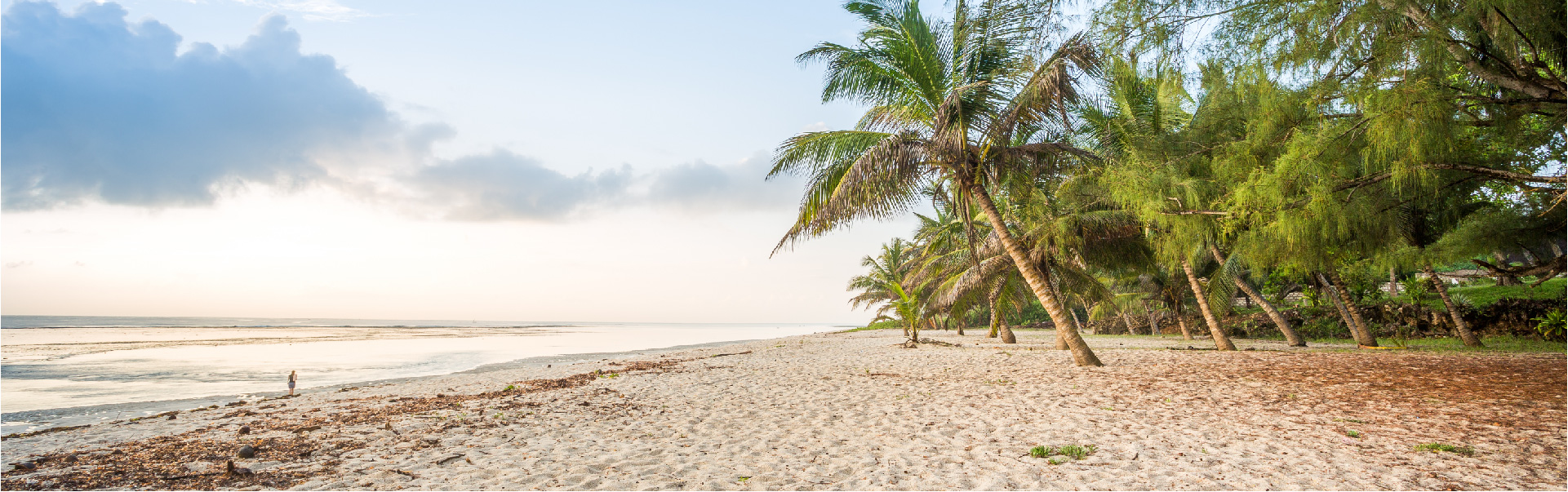
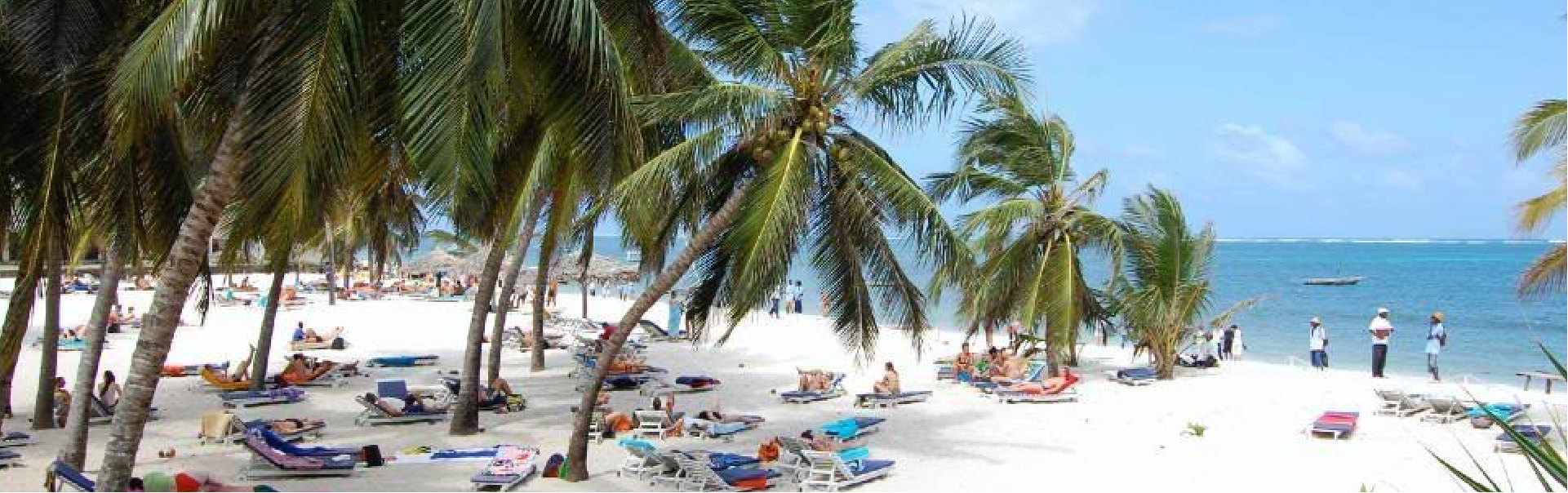
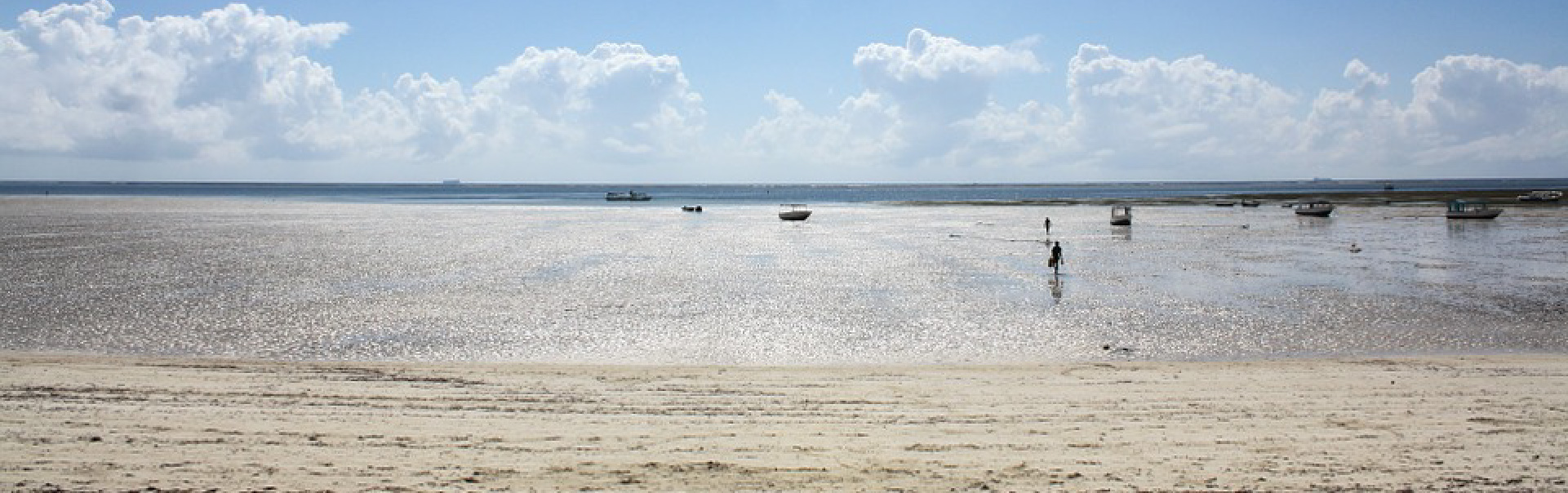
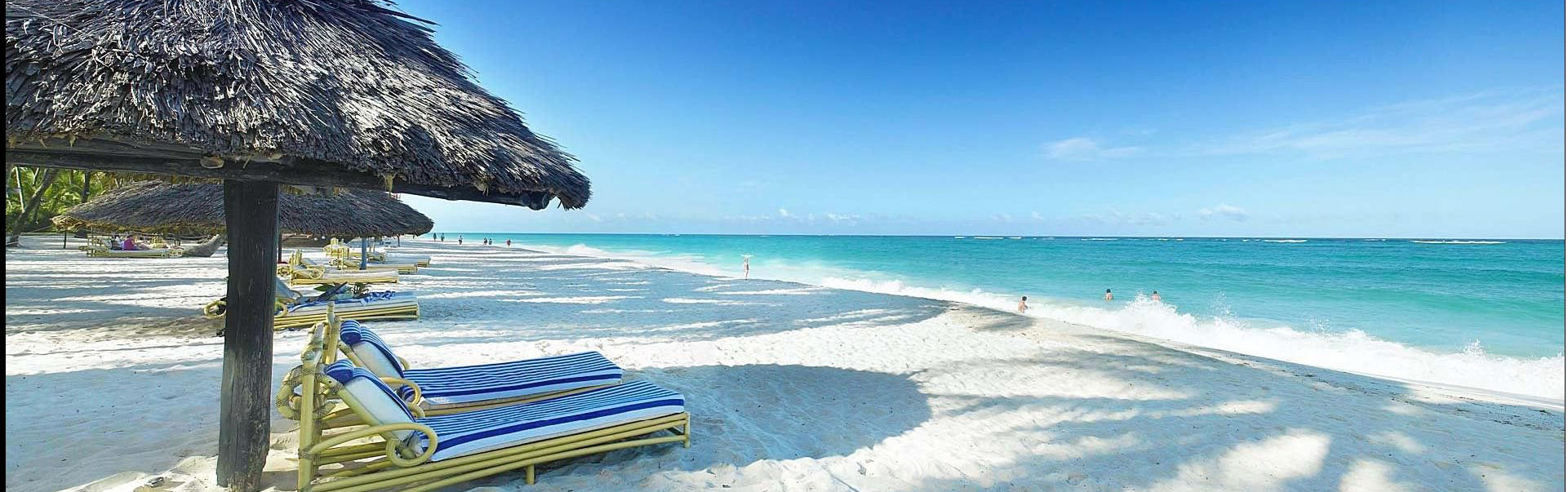
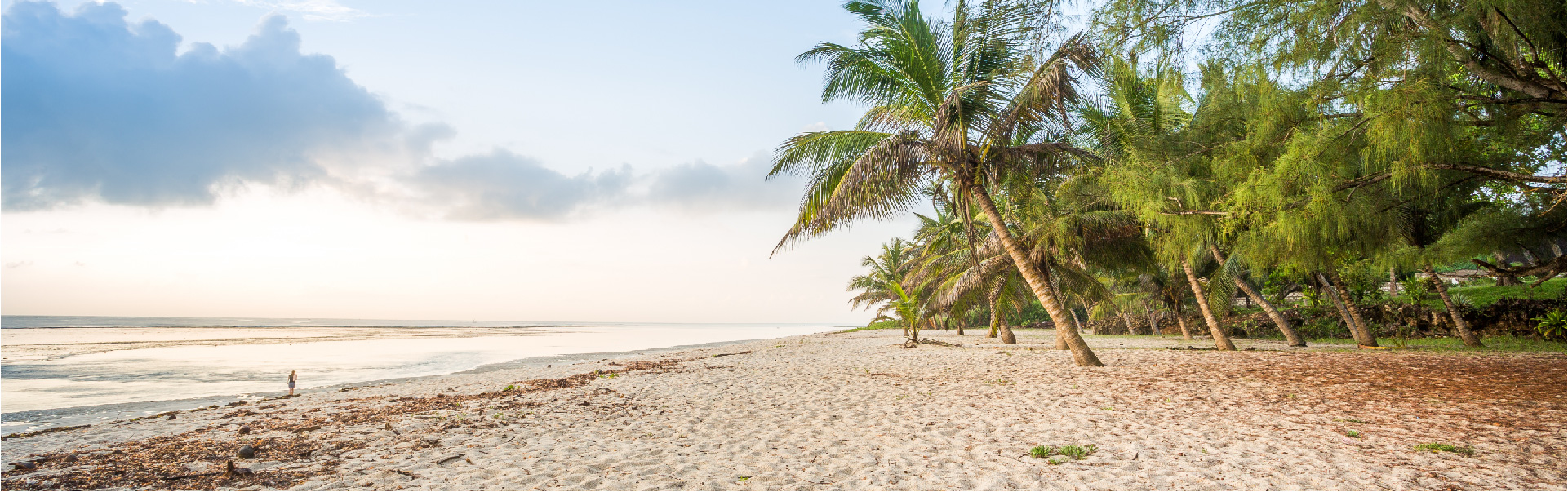
4. Coastal Region: Kenya’s coastline along the Indian Ocean is known for its tropical beauty and Swahili heritage.
5. Eastern Kenya: A mix of highlands and semi-arid plains, home to diverse communities like the Meru, Kamba, and Embu.
6. Western Kenya: A lush and green area bordering Uganda, known for its rich culture and agriculture.
7. Nyanza Region: Located in the southwest, this region borders Lake Victoria and is home to the Luo and Kisii communities.
8. North Eastern Kenya: A vast, semi-arid region that shares a border with Somalia. It’s sparsely populated and predominantly inhabited by the Somali community.
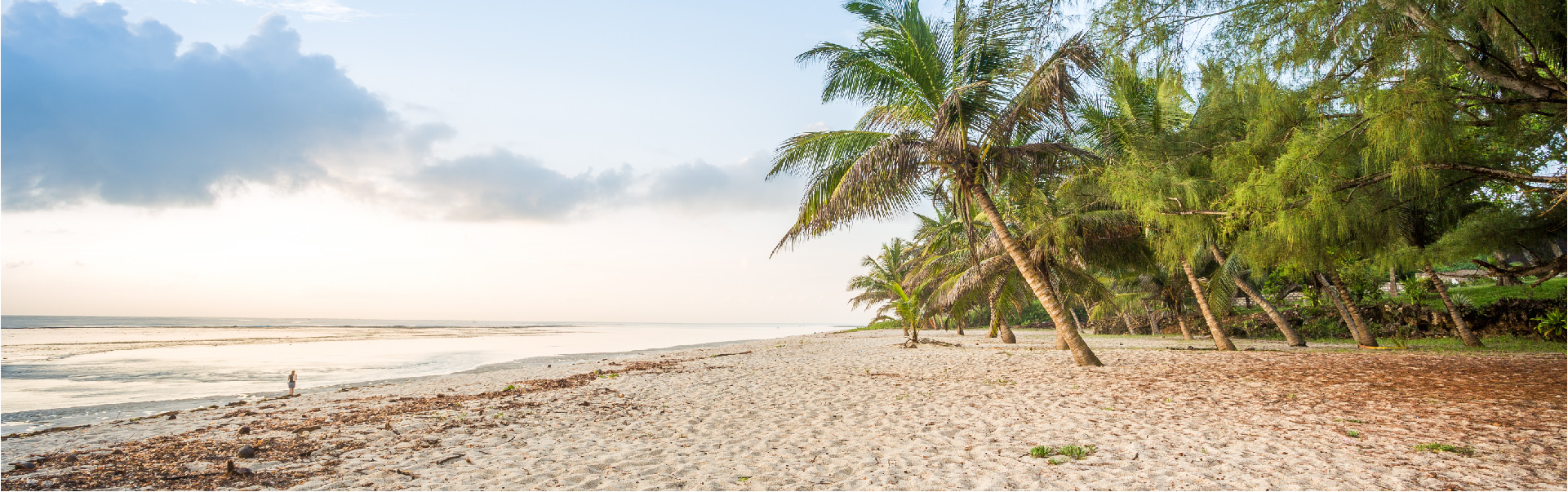
Kenya is one of Africa’s most spectacular travel destinations, offering an incredible blendof wildlife, natural beauty, cultural richness, and adventure. Whether you’re drawn by thecall of the wild, the serenity of the coast, or the warmth of its people, Kenya has somethingfor every traveler.
The key attraction sites are
1. Maasai Mara National Reserve
2. Mount Kenya National Park
3. Diani Beach
4. Amboseli National Park
5. The Great Rift Valley
6. Lamu Island
7. Tsavo National Parks (East & West)
8. Nairobi National Park
9. Malindi and Watamu
10.Samburu National Reserve
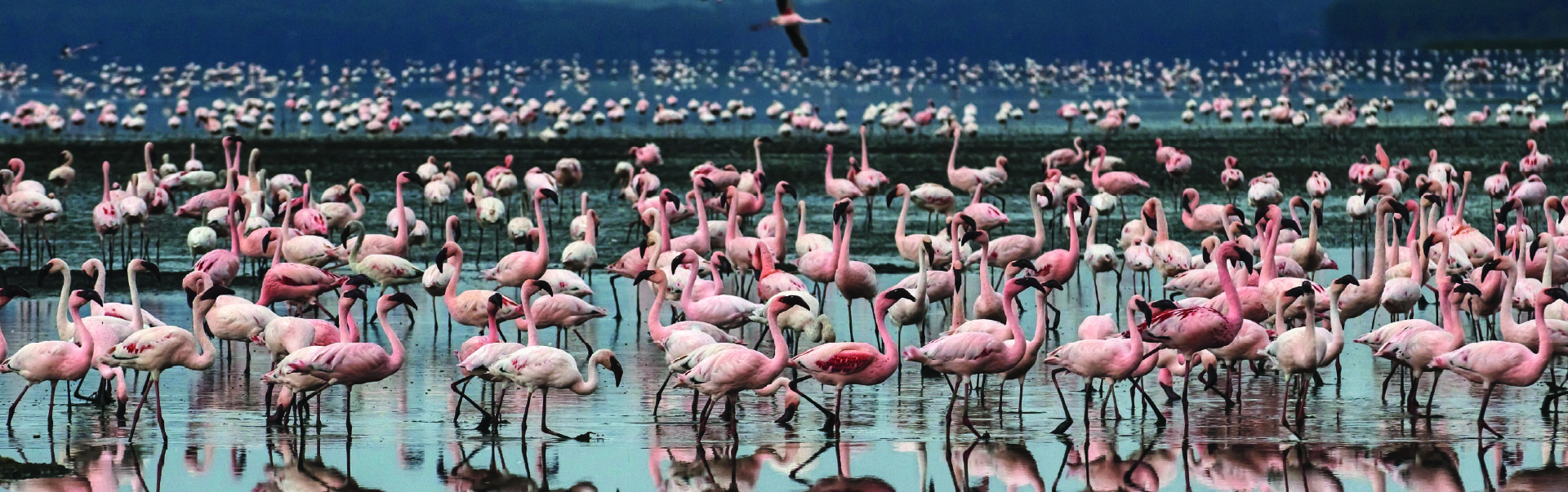
Kenya has diverse climates — from warm, humid coasts to cool highlands and sunny savannas — so what you pack depends on where and when you visit. Below is a comprehensive packing guide for travelers to Kenya, with tips for safaris, city stays, and beach trips.
Clothing Essentials Kenya’s weather is generally warm, but it varies by region and altitude. Light, breathable clothes are best — with a few warm layers for the evenings.
Everyday Wear
• Lightweight cotton or linen clothing – T-shirts, blouses, shorts, or light trousers.
• Long-sleeved shirts & long pants – For protection from sun and mosquitoes.
• A light jacket or sweater – Nights can get chilly, especially in Nairobi, the Rift Valley, or highland areas.
• A rain jacket or poncho – Especially if visiting during the rainy season (March–Mayor October–December).For Safaris
• Neutral-colored clothes (beige, khaki, olive) – They blend in with nature and don’t attract insects.
• Comfortable walking shoes or hiking boots – For game drives or short walks.
• Hat or cap, sunglasses, and scarf/bandana – For sun and dust protection.
• Light fleece or jacket – Early morning and evening game drives can be cold.
For the Coast (Mombasa, Diani, Lamu, Watamu)
• Swimwear – For beaches or resort pools.
• Light cotton clothes, sandals, and flip-flops.
• Sarong or cover-up – For beach modesty and cultural respect.
• Sun hat and reef-safe sunscreen – Coastal sun is intense!
For Mountains or Hiking
• Sturdy hiking boots
• Thermal wear and warm layers –
For places like Mount Kenya or Aberdare.
• Rainproof outerwear
What Not to Pack
• Plastic bags – Strictly banned in Kenya (fines apply).
• Camouflage clothing – Restricted to military use.
• Ivory or animal products – Illegal and unethical to possess or buy.
Best Time to Visit Kenya
1. Overall Best Time: June to October
This is the dry season and considered the best time for safaris and general travel.
• Weather: Warm days, cool evenings, very little rain.
• Wildlife: Animals are easier to spot as they gather around water sources.
• Events: The Great Wildebeest Migration happens in the Maasai Mara (July–October) — one of the world’s greatest natural spectacles.
• Beach conditions: Excellent — sunny skies and calm seas along the coast.
Perfect for: Safari adventures | Beach holidays | Photography trips
2. Short Rain Season: November to December
This is a transitional period with short, light rains — mostly in the late afternoons or evenings.
• Weather: Warm and humid, with lush green scenery.
• Wildlife: Still easy to spot; parks are less crowded.
• Travel perks: Fewer tourists, lower prices, and beautiful landscapes.
Perfect for: Budget travelers | Photographers | Birdwatchers
3. Hot, Dry Season: January to March
A great time for travel with clear skies and hot weather — especially at the coast.
• Weather: Hot and dry, especially in lowland areas (Tsavo, Amboseli).
• Wildlife: Good visibility; newborn animals can often be seen in parks.
• Beaches: Ideal for snorkeling, diving, and island hopping (Lamu, Diani).
Perfect for: Beach vacations | Cultural visits | Wildlife safaris
4. Long Rain Season: March to May
This is the wettest period of the year. Some lodges close temporarily due to muddy roads and flooding.
• Weather: Heavy rains, especially in April and May.
• Landscape: Very green and beautiful, with fewer tourists.
• Wildlife: Harder to spot, but birdlife is abundant.
Perfect for:
Travelers seeking peace, lower costs, and scenic greenery.
Avoid if: You want to go on game drives — some parks can be hard to access.