Madagascar
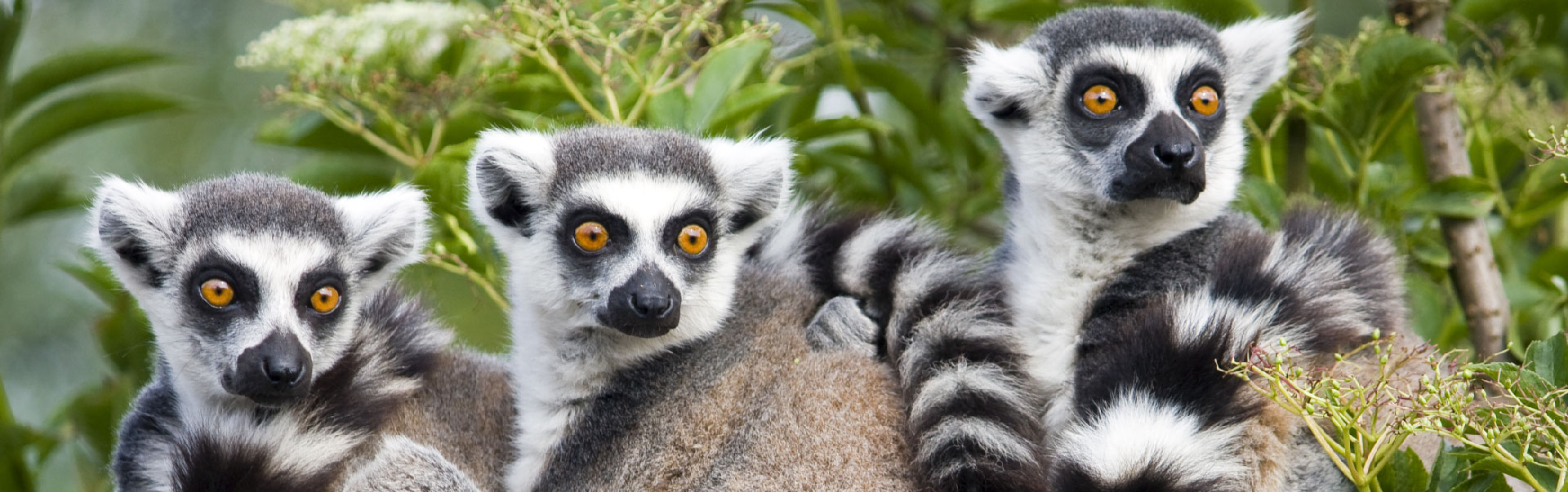
Madagascar, the world’s fourth-largest island, is a land of wonder and contrast — a place where nature, culture, and adventure intertwine. Separated from mainland Africa by the Mozambique Channel, this vast island nation offers a unique world of biodiversity found nowhere else on Earth. Around 90% of its wildlife is endemic, including playful lemurs, towering baobab trees, and vibrant chameleons.
The island’s landscapes are astonishingly diverse — from the emerald rainforests of the east to the dry spiny deserts of the south, the dramatic limestone formations of the Tsingy de Bemaraha, and the golden savannahs of the interior. The Avenue of the Baobabs, with its majestic silhouettes at sunset, is one of Africa’s most iconic natural scenes.
Madagascar’s people, known collectively as the Malagasy, trace their heritage to both African and Austronesian roots, creating a captivating blend of traditions, languages, and customs. Music and dance are integral to daily life, and visitors are often welcomed with genuine warmth and curiosity. Local cuisine features simple yet flavorful dishes — such as rice with zebu beef, romazava stew, and fresh tropical fruits.
Madagascar, the world’s fourth-largest island, is a land of wonder and contrast — a place where nature, culture, and adventure intertwine. Separated from mainland Africa by the Mozambique Channel, this vast island nation offers a unique world of biodiversity found nowhere else on Earth. Around 90% of its wildlife is endemic, including playful lemurs, towering baobab trees, and vibrant chameleons.
The island’s landscapes are astonishingly diverse — from the emerald rainforests of the east to the dry spiny deserts of the south, the dramatic limestone formations of the Tsingy de Bemaraha, and the golden savannahs of the interior. The Avenue of the Baobabs, with its majestic silhouettes at sunset, is one of Africa’s most iconic natural scenes.
Madagascar’s people, known collectively as the Malagasy, trace their heritage to both African and Austronesian roots, creating a captivating blend of traditions, languages, and customs. Music and dance are integral to daily life, and visitors are often welcomed with genuine warmth and curiosity. Local cuisine features simple yet flavorful dishes — such as rice with zebu beef, romazava stew, and fresh tropical fruits.

Madagascar is a
vast island of extraordinary contrasts, with each region offering distinct
landscapes, climates, and cultural identities. From misty rainforests to arid
deserts and idyllic islands, the country is best understood through its diverse
regions.
1. Central
Highlands
The Central
Highlands form the heart of Madagascar and include the bustling capital, Antananarivo
(Tana). Characterized by rolling hills, terraced rice fields, and cool
mountain air, this region is the island’s political and cultural hub. Visitors
can explore royal palaces, colonial architecture, and vibrant markets filled
with spices and crafts. The Highlands are also home to the Malagasy Merina
people and offer easy access to Andasibe-Mantadia National Park, famous
for the indri lemur’s haunting call.
2. Eastern
Madagascar – Rainforests & Coastline
The eastern
region is lush and tropical, dominated by dense rainforests, winding
rivers, and a humid climate. It’s a paradise for wildlife enthusiasts, with
national parks like Andasibe-Mantadia and Masoala, where
travelers can spot lemurs, chameleons, and exotic birds. The coastal town of Toamasina
(Tamatave) is the main port city, while the nearby Île Sainte-Marie
offers palm-fringed beaches, whale-watching (July–September), and a tranquil
island vibe.
3. Western
Madagascar – Baobabs & Dry Forests
The west is
known for its dry deciduous forests, red-earth plateaus, and surreal
landscapes. The iconic Avenue of the Baobabs, near Morondava, features
towering ancient trees that glow at sunset — a photographer’s dream. Further
north, the Tsingy de Bemaraha National Park, a UNESCO World Heritage
Site, showcases razor-sharp limestone pinnacles and unique cave systems. This
region is ideal for adventure travelers seeking off-the-beaten-path
exploration.
4. Northern
Madagascar – Beaches & Mountains
The north is a
tropical paradise where pristine beaches meet volcanic mountains. The Nosy
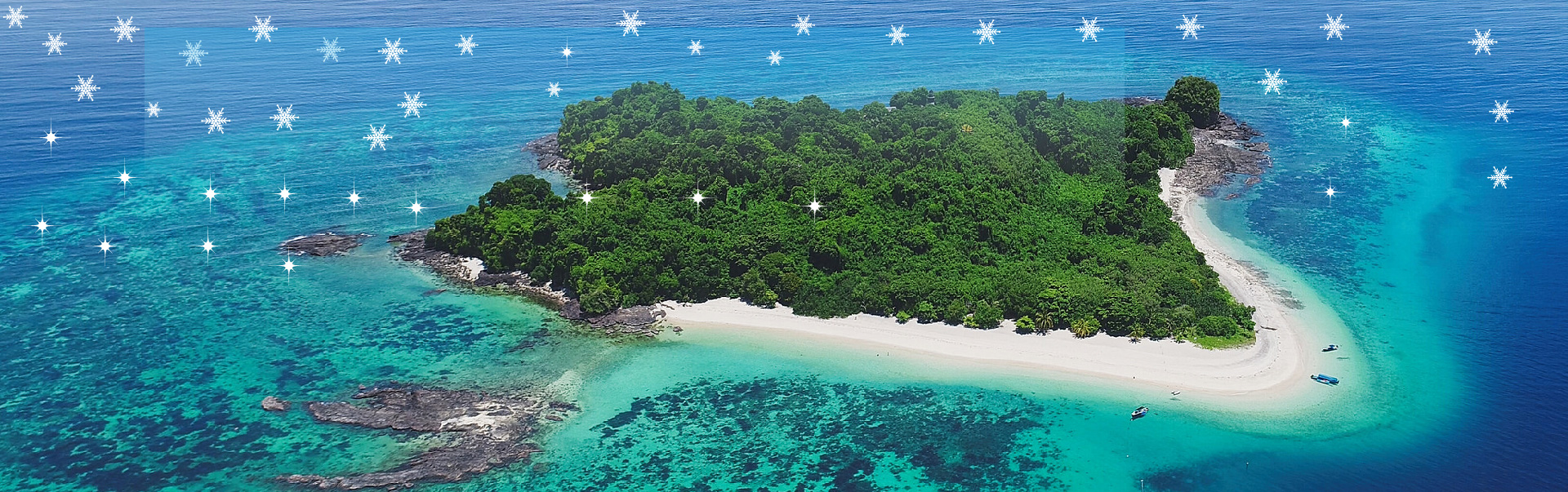
Be archipelago is Madagascar’s premier beach destination, offering
turquoise waters, coral reefs, and luxury resorts. Inland, Amber Mountain
National Park features waterfalls, crater lakes, and diverse flora and
fauna, while Ankarana Reserve is known for its striking limestone
formations and underground rivers.
5. Southern
Madagascar – Desert & Culture
The south
offers a stark contrast with its semi-arid landscapes, spiny forests,
and traditional villages. The area around Ifaty, Tuléar, and Fort
Dauphin (Taolagnaro) provides both cultural immersion and coastal
relaxation. This region is home to the Antandroy and Mahafaly
people, known for their colorful tombs and intricate carvings. The coral
lagoons here are excellent for snorkeling and diving.
6. Offshore
Islands
Beyond the main
island, Madagascar’s smaller islands such as Île Sainte-Marie, Nosy
Be, and Nosy Iranja offer idyllic getaways. These islands are
perfect for water sports, sailing, and observing marine life such as humpback
whales and sea turtles.
Together, these
regions reveal Madagascar’s soul — a land of contrasts where every area tells a
different story of nature, culture, and adventure.
Madagascar is a land of breathtaking contrasts — from rainforests echoing with lemur calls to otherworldly rock formations and serene coral islands. Its attractions reflect the island’s rare biodiversity, stunning scenery, and deep cultural traditions. Every corner of Madagascar offers something unique, making it a dream destination for nature lovers and adventurers alike.
The key
attraction sites are:
- Avenue of the Baobabs (Morondava)
- Tsingy de Bemaraha National Park
- Andasibe-Mantadia National Park
- Nosy Be
- Île Sainte-Marie (Nosy Boraha)
- Isalo National
- Amber Mountain National Park
(Montagne d’Ambre
- Ankarana Reserve
- Ranomafana National Park
- Antananarivo (Tana
Packing for
Madagascar means being ready for a variety of climates and terrains —
from humid rainforests to arid deserts and sunny beaches. Whether you’re
trekking through national parks, exploring cultural towns, or lounging by the
coast, comfort, versatility, and practicality are key.
Clothing
Essentials
Madagascar’s
weather varies by region, but it’s generally warm year-round. Pack light,
breathable fabrics and a few warm layers for higher-altitude areas
and cooler nights.
Everyday
Wear
- Lightweight cotton or linen clothes
– T-shirts, breathable long-sleeved shirts, and trousers.
- Shorts or light pants – For daytime
comfort.
- Light sweater or fleece – For cool
evenings, especially in the Highlands.
- Rain jacket or poncho – Essential
during the rainy season (December–March).
For Nature
& Adventure
- Sturdy walking or hiking shoes –
Crucial for exploring parks like Isalo, Andasibe, or Tsingy
de Bemaraha.
- Hat or cap & sunglasses – For
protection from the tropical sun.
- Insect repellent – Must-have for
forest trails and evening walks.
- Daypack – For carrying water,
snacks, and essentials on hikes.
- Reusable water bottle – Stay
hydrated while minimizing plastic waste.
- Binoculars – Perfect for spotting
lemurs, chameleons, and exotic birds.
For the
Coast & Islands
- Swimwear and sarong – For beaches
like Nosy Be and Île Sainte-Marie.
- Sandals or flip-flops – Ideal for
warm coastal areas.
- Reef-safe sunscreen – Protects both
your skin and the environment.
- Snorkeling mask (optional) – Some
resorts offer gear, but bringing your own ensures a comfortable fit.
For Evenings
& Cities
- Casual but neat outfits – Light
dresses, polo shirts, or button-up shirts for dining in Antananarivo or
coastal resorts.
- Light scarf or shawl – For cooler
evenings or modesty in local areas.
Other
Essentials
- Power adapter – Madagascar uses Type
C and Type E plugs (European standard).
- Basic first-aid kit – Include
medication for motion sickness (roads can be bumpy).
- Travel insurance documents &
photocopies of important IDs.
- Small flashlight or headlamp –
Helpful in rural areas or during power cuts.
Best Time to Visit Madagascar
Madagascar can
be visited year-round, but the best time depends on the weather and what
activities you want.
The country has two main seasons: dry season and rainy/cyclone season.
1. Best
Overall Time: May – October (Dry Season)
This is the most
recommended period to visit Madagascar.
Why it’s the
best:
Ø Dry, sunny weather
Ø Comfortable temperatures
Ø Ideal for wildlife viewing
Ø Best time for exploring national parks
Ø Clear beaches and seas (snorkeling +
diving)
Perfect for hiking and outdoor activities