Rwanda
Rwanda,
often called the “Land of a Thousand Hills,” is a small, landlocked country in
East-Central Africa. Despite its modest size approximately 26,000 square
kilometers. It is renowned for its breathtaking landscapes, rich biodiversity,
and remarkable history. Kigali, the capital city, serves as the political,
economic, and cultural hub of the nation.
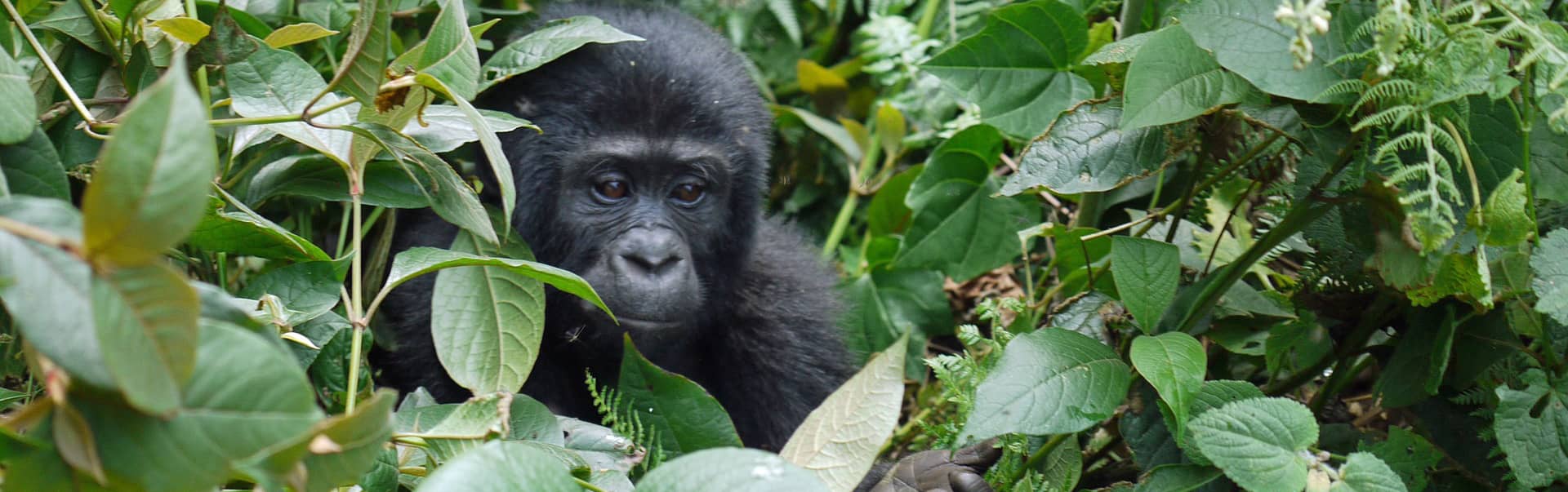
Rwanda is characterized by rolling hills, volcanic mountains in the northwest, and expansive lakes such as Lake Kivu. The country lies just south of the Equator, giving it a temperate tropical climate with two rainy seasons (February–May and September–December) and two dry seasons (June–August and December–February). Its fertile soil and favorable climate make agriculture a central part of Rwandan life. It is globally famous for its wildlife, especially the mountain gorillas of Volcanoes National Park. The country also boasts Akagera National Park, known for its savannah ecosystems and Big Five wildlife, and Nyungwe Forest, a haven for primates and birdwatchers. Eco-tourism is a growing sector, attracting travelers interested in conservation and nature.
Rwandan
culture is rich and diverse, with traditions in dance, music, and art playing
an essential role in society. The official languages are Kinyarwanda, French,
and English, with Swahili increasingly used in trade and regional
communication. Traditional ceremonies, storytelling, and community gatherings
remain integral to Rwandan life.
Rwanda,
often called the “Land of a Thousand Hills,” is a small, landlocked country in
East-Central Africa. Despite its modest size approximately 26,000 square
kilometers. It is renowned for its breathtaking landscapes, rich biodiversity,
and remarkable history. Kigali, the capital city, serves as the political,
economic, and cultural hub of the nation.
Rwanda is characterized by rolling hills, volcanic mountains in the northwest, and expansive lakes such as Lake Kivu. The country lies just south of the Equator, giving it a temperate tropical climate with two rainy seasons (February–May and September–December) and two dry seasons (June–August and December–February). Its fertile soil and favorable climate make agriculture a central part of Rwandan life. It is globally famous for its wildlife, especially the mountain gorillas of Volcanoes National Park. The country also boasts Akagera National Park, known for its savannah ecosystems and Big Five wildlife, and Nyungwe Forest, a haven for primates and birdwatchers. Eco-tourism is a growing sector, attracting travelers interested in conservation and nature.
Rwandan
culture is rich and diverse, with traditions in dance, music, and art playing
an essential role in society. The official languages are Kinyarwanda, French,
and English, with Swahili increasingly used in trade and regional
communication. Traditional ceremonies, storytelling, and community gatherings
remain integral to Rwandan life.
1. Provinces (Intara) – 5 in total:
o Northern Province
o Southern Province
o Eastern Province
o Western Province
o Kigali City (Umujyi wa Kigali) – the capital and a separate province-levelentity
2.Districts (Akarere) – 30 total(e.g., Gasabo, Kicukiro, Nyarugenge, Huye, Musanze, Rubavu, etc.)
3. Sectors (Imirenge) – 416
4. Cells (Utugari) – 2,148
5. Villages (Imidugudu) – about 14,800
1. Kigali City (The Capital)
Modern, clean, and culturally rich
- Kigali Genocide Memorial – a
powerful and emotional memorial to the 1994 Genocide against the Tutsi.
- Inema Arts Center – a contemporary
art gallery showcasing Rwandan creativity.
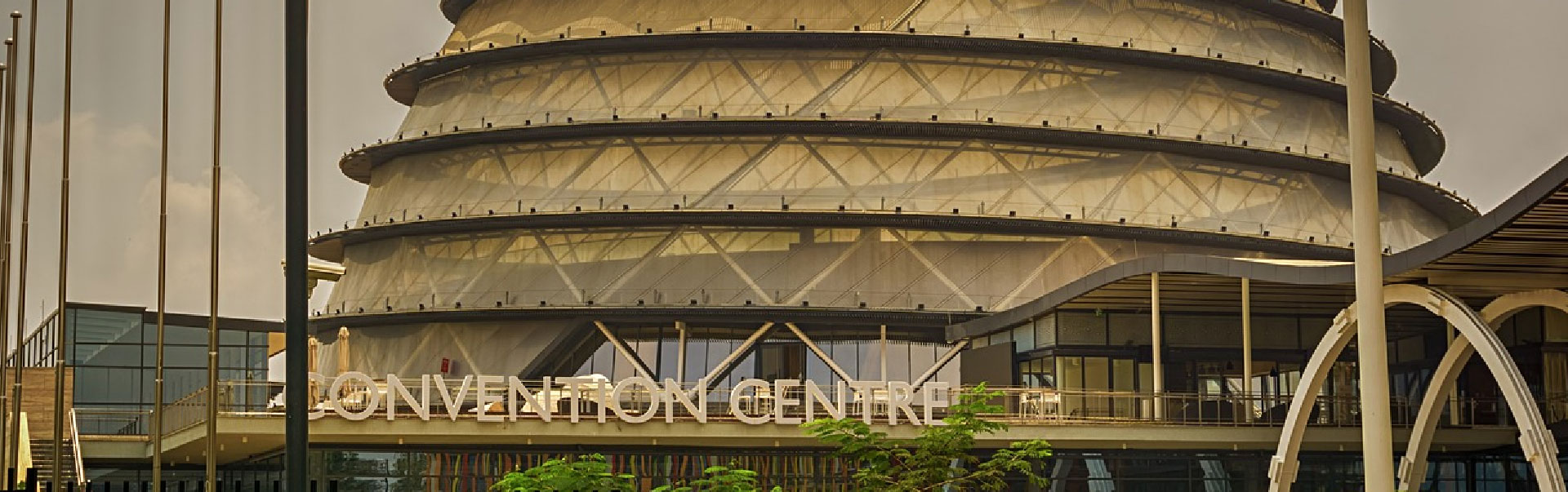
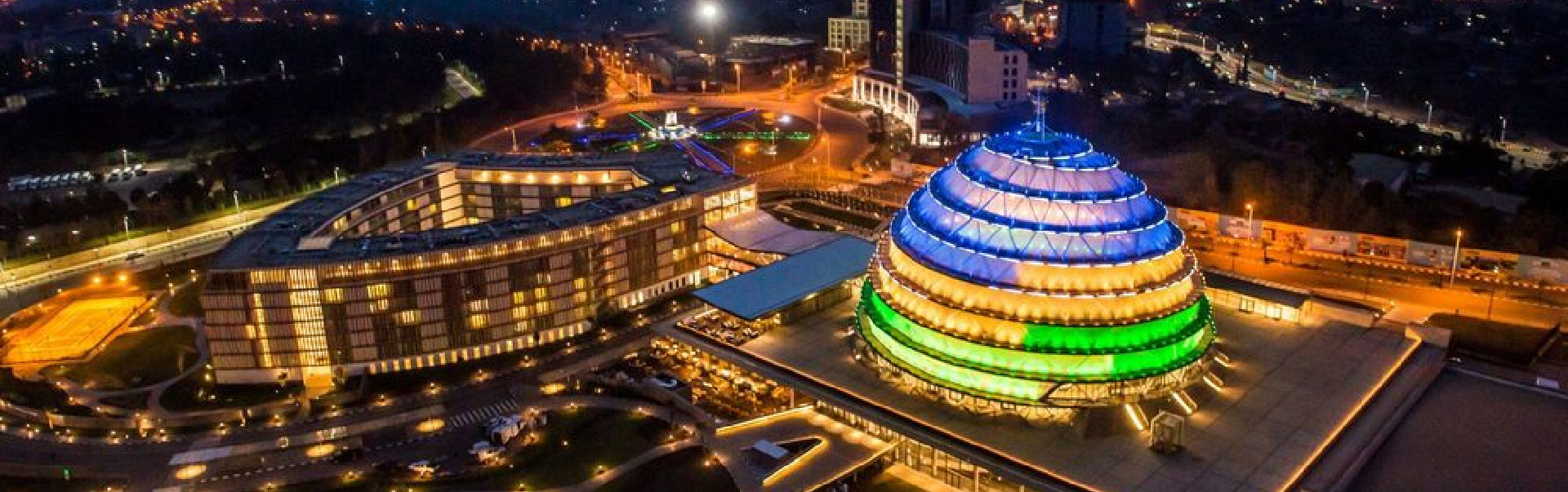
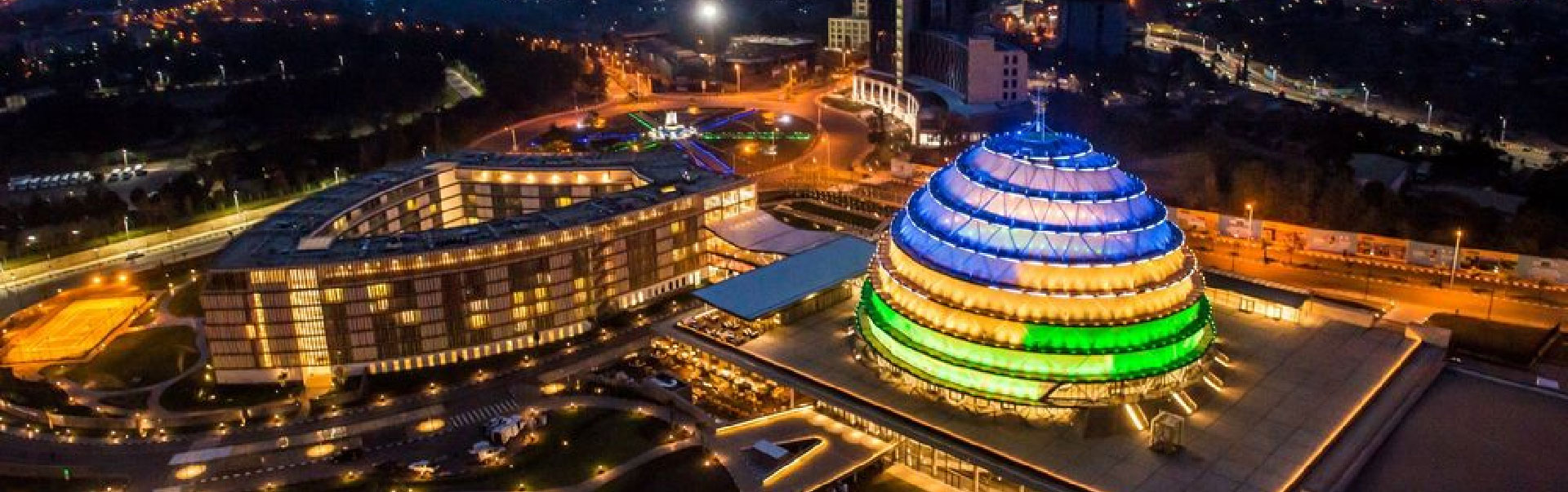
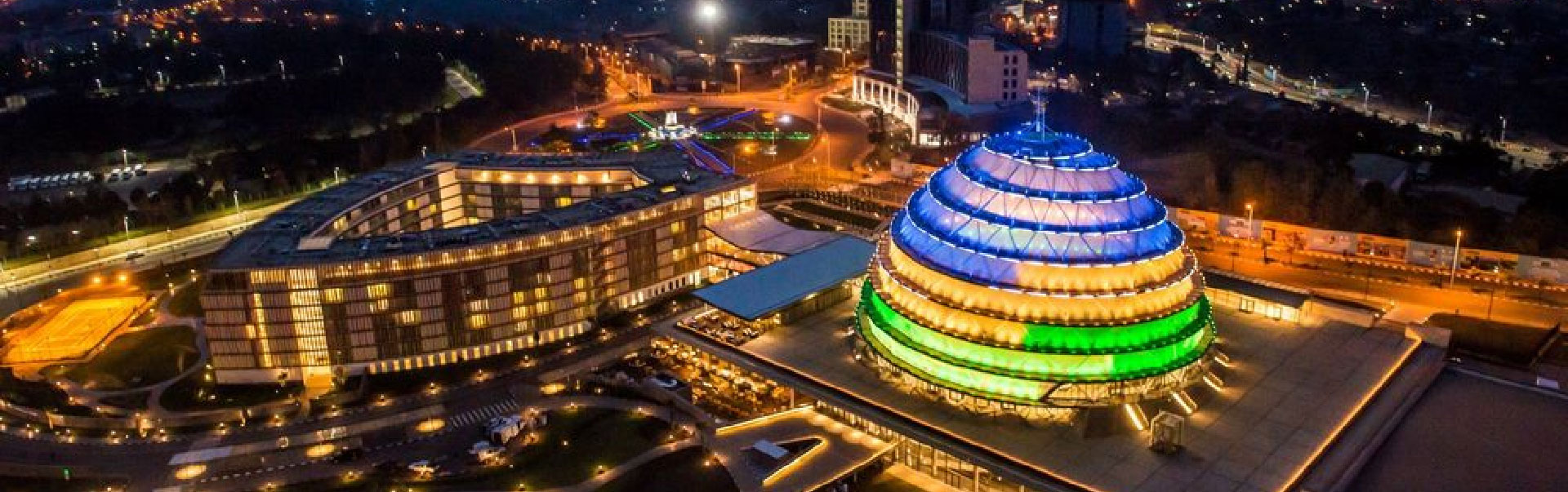
- Kigali Convention Centre &
Radisson Blu Dome – an architectural landmark, beautifully lit at night.
- Kimironko Market & Nyamirambo –
great for local food, crafts, and cultural walking tours.
- Mount Kigali & Rebero – offer
scenic views of the city.
2. Northern
Province
Home of
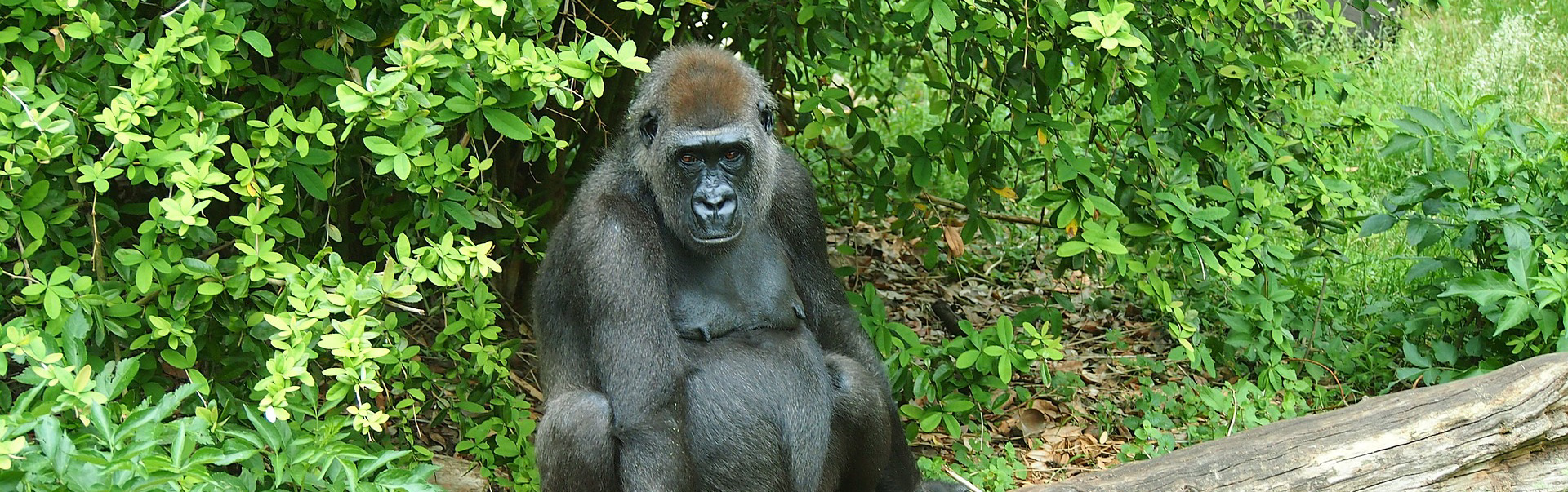
volcanoes and mountain gorillas
- Volcanoes National Park (Parc
National des Volcans) – famous for gorilla trekking, golden monkey
tracking, and hiking the Virunga Mountains (Mount Karisimbi, Bisoke,
etc.).
- Dian Fossey Gorilla Fund / Karisoke
Research Center – dedicated to gorilla conservation.
- Musanze Caves – large lava tunnels
formed centuries ago.
- Twin Lakes (Burera and Ruhondo) –
scenic lakes surrounded by hills and local fishing villages.
3. Eastern
Province
Savannah
wildlife and lakes
- Akagera National Park – Rwanda’s
only savannah park, home to the “Big Five” (lion, leopard, elephant,
rhino, buffalo), plus hippos, zebras, and giraffes.
- Lake Ihema – boat safaris with
crocodiles, hippos, and many bird species.
- Birdwatching – Akagera is one of
Africa’s top birding destinations.
4. Western
Province
Lakes,
mountains, and rainforests
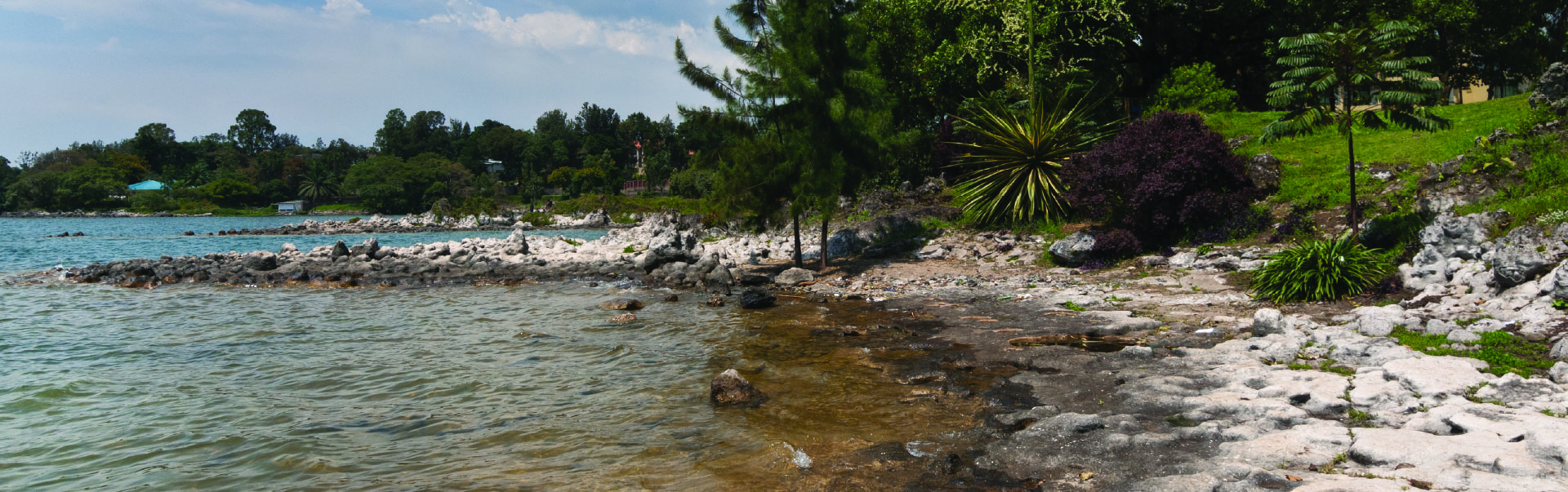
- Lake Kivu – a stunning freshwater
lake shared with the DRC; great for swimming, boating, and relaxation.
- Popular towns: Gisenyi (Rubavu),
Kibuye (Karongi), and Cyangugu (Rusizi).
- Nyungwe Forest National Park – one
of Africa’s oldest rainforests, home to chimpanzees and 13 primate
species.
- 🚶 Canopy Walkway – Africa’s longest
suspended bridge, with breathtaking forest views.
Tea
Plantations – visit Gisakura or Gisovu tea estates for scenic tours.
5. Southern
Province
Cultural and
historical heartland
- Nyanza (Rukari) King’s Palace
Museum – traditional royal palace of the last Rwandan kings, with royal
cows and dancers.
- Huye (Butare) Ethnographic Museum –
Rwanda’s largest museum, showcasing cultural and historical artifacts.
- Nyamagabe & Gisagara –
beautiful hills, churches, and nature trails.
6. Other
Unique Attractions
- Congo Nile Trail – multi-day
biking/hiking route along Lake Kivu’s shoreline.
- Gishwati-Mukura National Park –
Rwanda’s newest park, great for primate and bird watching.
- Umuganda (Community Work Day) – every last Saturday of the month, locals join to clean and build together—an inspiring cultural experience.
• Passport (valid for at least 6 months)
• Visa / e-Visa (if required – many nationalities can get one online or on arrival)
• Yellow Fever Vaccination Certificate (required for entry if coming from certaincountries)
• Travel Insurance (covering medical, evacuation, and activities like trekking)
• Credit/debit cards & USD cash (for places that don’t accept cards)
• Copies of all important documents (paper + digital)2. Clothing — by Region and WeatherRwanda has a mild tropical highland climate: warm days (20–28°C / 68–82°F) andcool nights (especially in the highlands).Everyday Wear
• Light, breathable clothing (cotton or quick-dry fabrics)
• Long pants and long sleeves (for sun and mosquito protection)• A light sweater or fleece for cool evenings
• Comfortable walking shoes or sandals
If Visiting Volcanoes / National Parks
• Long-sleeved shirts and trousers (for trekking and insects)
• Waterproof jacket or rain poncho (showers are frequent)
• Hiking boots (sturdy and waterproof)
• Hat and sunglasses (sun protection)
• Gloves (for grabbing vegetation during gorilla treks)
• Gaiters (optional but useful for muddy trails)For Lake Kivu or Kigali Relaxation
June to September and December to February-these are the dry seasons, making iteasier to trek, hike, and spot wildlife.
Best Time for Gorilla Trekking
• June–September and December–FebruaryDry conditions make trekking easier and more enjoyable.
• Book permits months in advance, as only a limited number are available daily.
Best Time for Wildlife Safaris (Akagera National Park)
• June–September (dry season) — animals gather around water sources, easy tosee.
• Avoid heavy rains (March–May), when roads can be muddy.Best Time for Chimpanzee Tracking (Nyungwe Forest)
• Dry seasons are best (Dec–Feb and Jun–Sep).
• During rainy months, chimps move deeper into the forest, making sightingsharder.Best Time for Cultural & Festival Visits
• July – Liberation Day (Kwibohora) celebrations.
• April – July – Kwibuka period (Genocide remembrance), very meaningful forvisitors seeking to understand Rwanda’s history.
• August – Kigali Up Music Festival and other cultural events.
• November–December – Tour du Rwanda cycling race (major national event).