Tanzania
Tanzania,
officially known as the United Republic of Tanzania, is a vibrant and diverse
nation located on the eastern coast of Africa. It is bordered by Kenya and
Uganda to the north, Rwanda, Burundi, and the Democratic Republic of Congo to
the west, Zambia, Malawi, and Mozambique to the south, and the Indian Ocean to
the east. With a land area of about 945,000 square kilometers, it is one of
Africa’s largest countries.
Tanzania
is home to more than 120 ethnic groups, making it one of the most culturally
diverse countries in Africa. Despite this diversity, the nation enjoys
remarkable unity, largely fostered by the widespread use of Swahili (Kiswahili)
as the national language, alongside English, which is also an official
language.
Traditional music, dance, and art play vital roles in Tanzanian life, with
styles like Taarab, Ngoma, and Bongo Flava representing the country’s cultural
richness. Tanzanians are known for their warmth and hospitality, reflecting the
national motto: “Uhuru na Umoja” — Freedom and Unity.
Tanzania
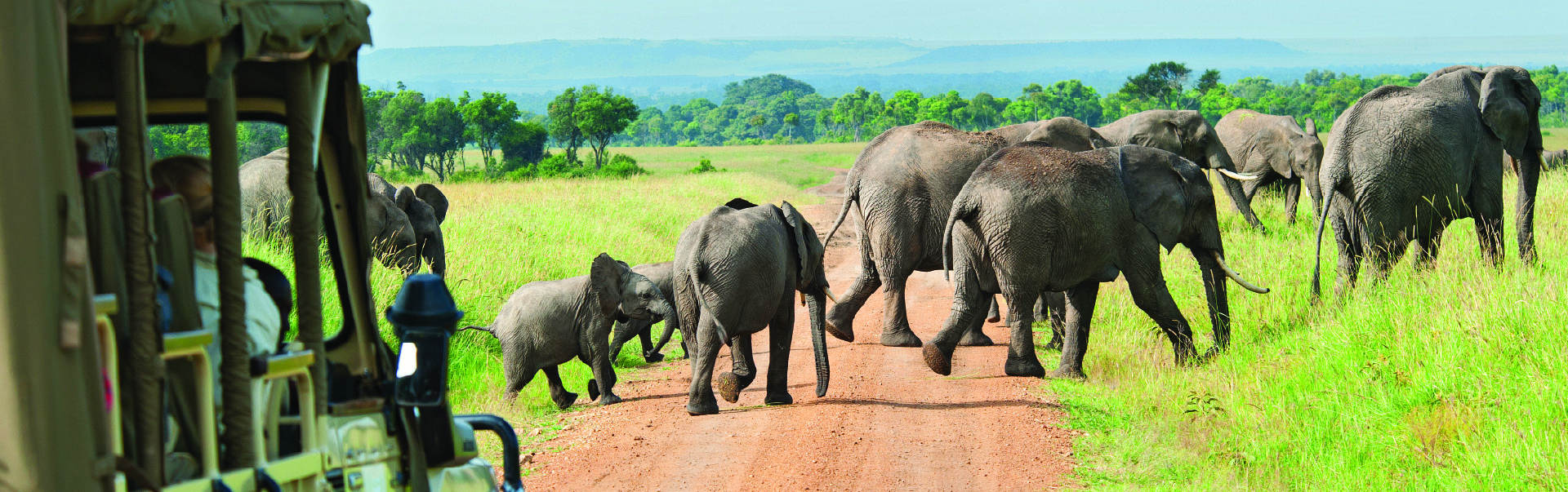
is world-renowned for its wildlife and natural parks. The Serengeti National
Park, Ngorongoro Crater, Selous Game Reserve (Nyerere National Park), and Ruaha
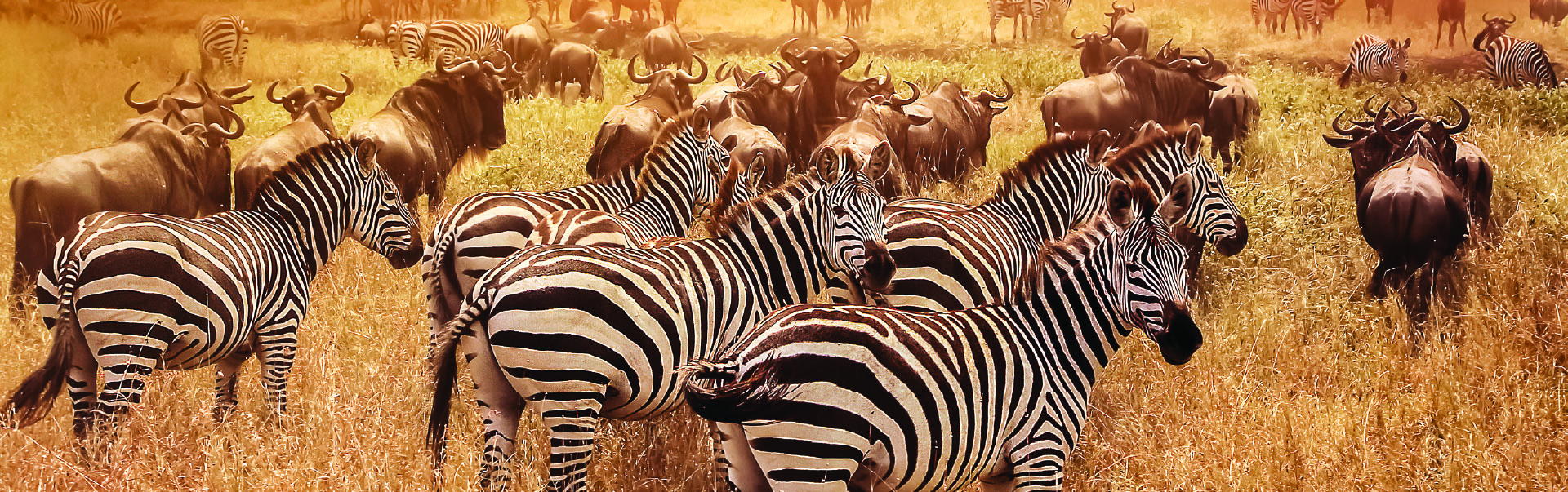
National Park offer unparalleled safari experiences. The Great Migration, where
millions of wildebeest and zebras traverse the Serengeti in search of fresh
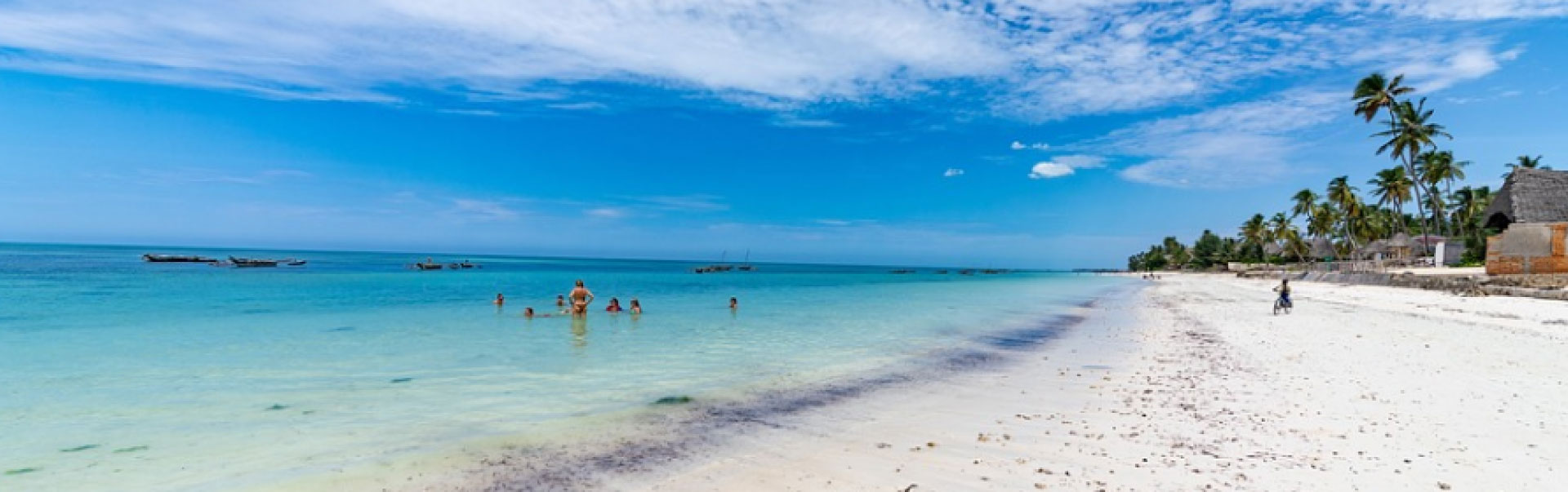
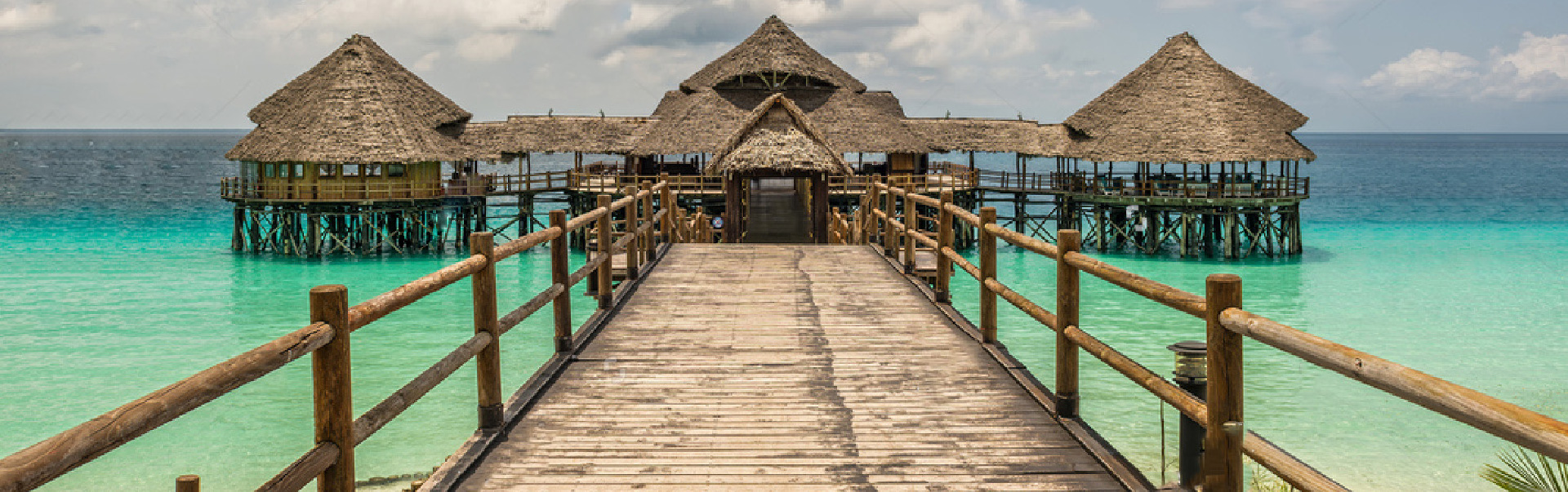
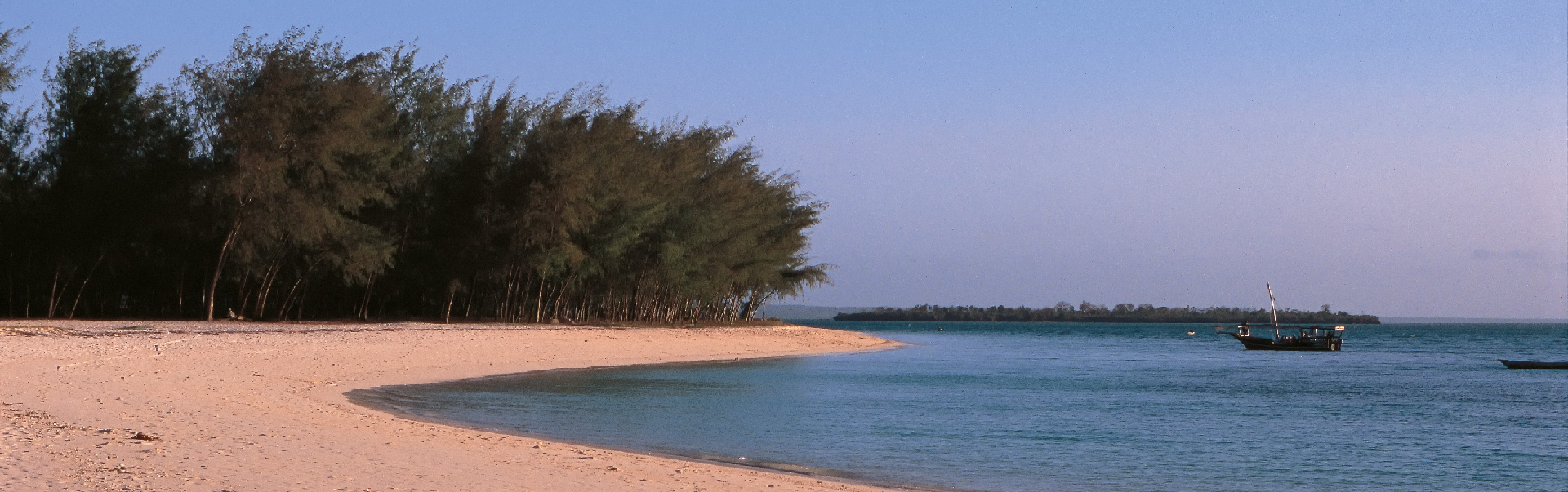
grazing lands, is one of the most spectacular wildlife events on the planet. The Zanzibar Archipelago, with its white-sand beaches and historic Stone Town,
adds coastal charm and a glimpse into the country’s Swahili-Arab heritage.
Tanzania,
officially known as the United Republic of Tanzania, is a vibrant and diverse
nation located on the eastern coast of Africa. It is bordered by Kenya and
Uganda to the north, Rwanda, Burundi, and the Democratic Republic of Congo to
the west, Zambia, Malawi, and Mozambique to the south, and the Indian Ocean to
the east. With a land area of about 945,000 square kilometers, it is one of
Africa’s largest countries.
Tanzania
is home to more than 120 ethnic groups, making it one of the most culturally
diverse countries in Africa. Despite this diversity, the nation enjoys
remarkable unity, largely fostered by the widespread use of Swahili (Kiswahili)
as the national language, alongside English, which is also an official
language.
Traditional music, dance, and art play vital roles in Tanzanian life, with
styles like Taarab, Ngoma, and Bongo Flava representing the country’s cultural
richness. Tanzanians are known for their warmth and hospitality, reflecting the
national motto: “Uhuru na Umoja” — Freedom and Unity.
Tanzania
is world-renowned for its wildlife and natural parks. The Serengeti National
Park, Ngorongoro Crater, Selous Game Reserve (Nyerere National Park), and Ruaha
National Park offer unparalleled safari experiences. The Great Migration, where
millions of wildebeest and zebras traverse the Serengeti in search of fresh
grazing lands, is one of the most spectacular wildlife events on the planet. The Zanzibar Archipelago, with its white-sand beaches and historic Stone Town,
adds coastal charm and a glimpse into the country’s Swahili-Arab heritage.
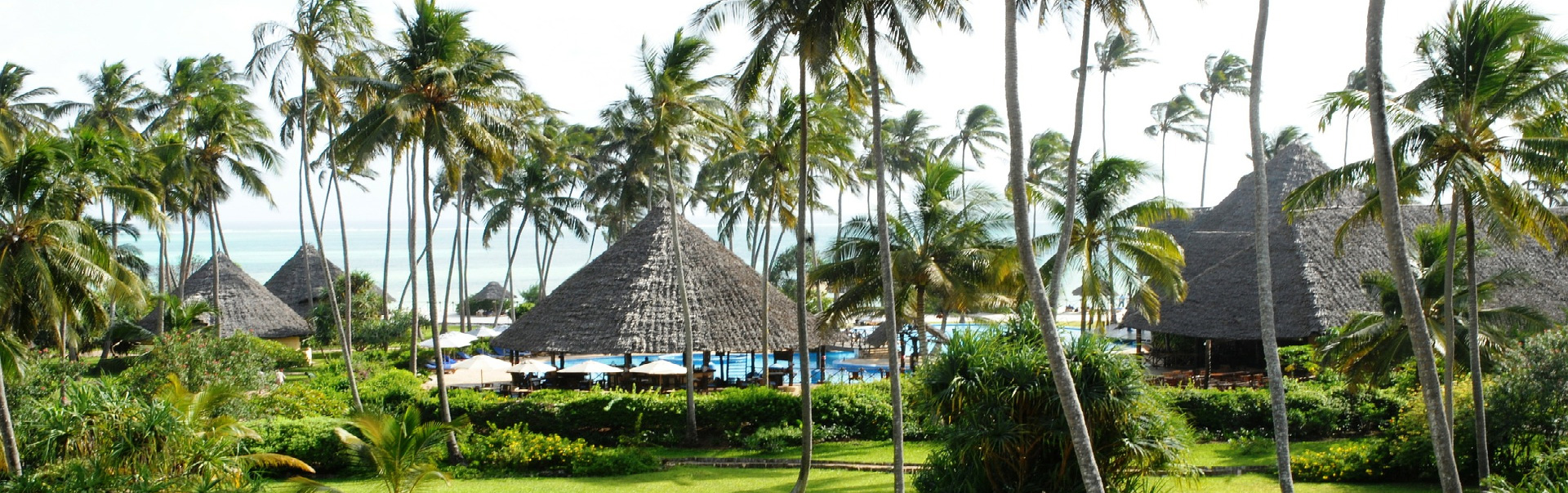
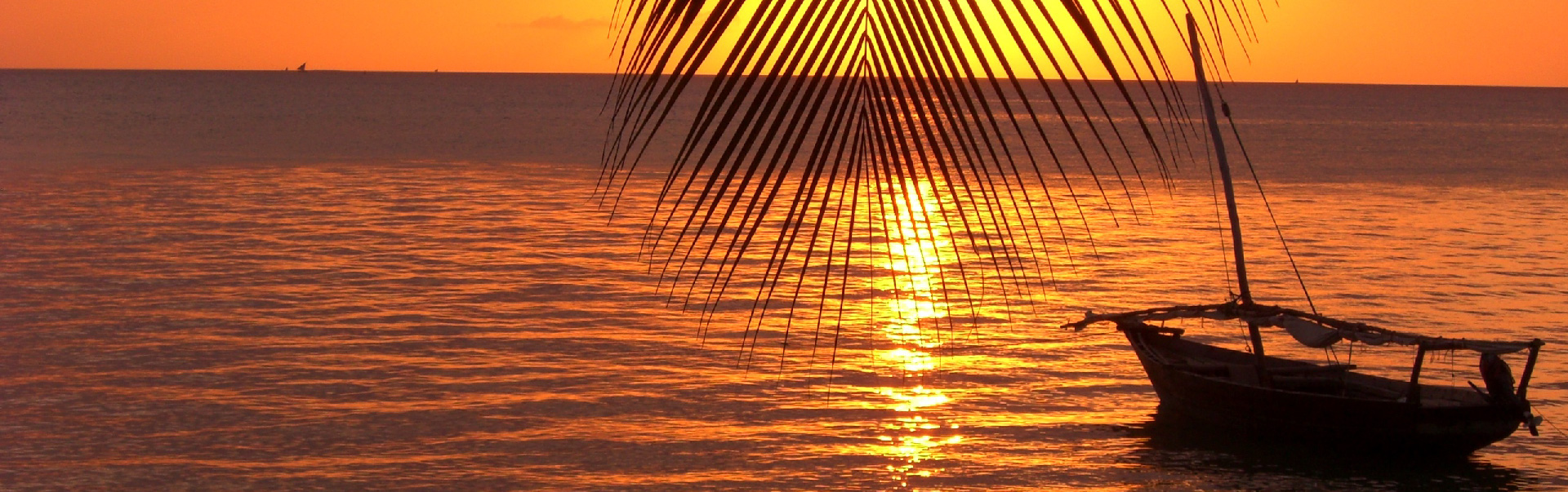
Zanzibar Honeymoon Package with Ocean Paradise Resort & Spa ETHOEA-23
Duration: 4 day(s)

1. Mainland Tanzania Regions (26)
Northern Zone
1. Arusha – Known as the safari capital; gateway to Serengeti and MountKilimanjaro.
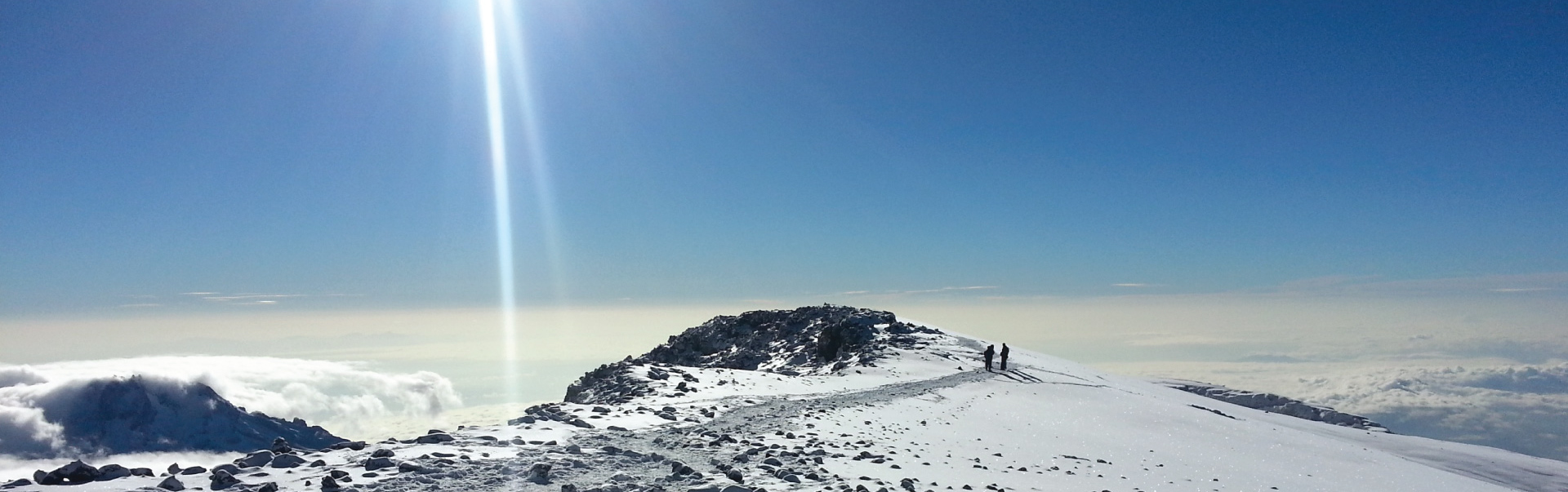
2. Kilimanjaro – Home to Mount Kilimanjaro, Africa’s highest peak.
3. Manyara – Contains Lake Manyara National Park and parts of the Great RiftValley.
4. Tanga – Coastal region with the port city of Tanga and Saadani National Park.Lake Zone
5. Mwanza – Major port city on Lake Victoria; a center for fishing and trade.
6. Geita – Rich in gold mining and agriculture.
7. Kagera – Northwestern region bordering Uganda and Rwanda; fertile agriculturalland.
8. Mara – Contains part of Serengeti National Park and Lake Victoria shoreline.
9. Shinyanga – Agricultural and mining activities dominate.
10.Simiyu – Newly established region focused on agriculture and livestock.Western Zone11.Kigoma – On Lake Tanganyika; home to Gombe Stream and Mahale MountainsNational Parks.
12.Katavi – Remote region with Katavi National Park, known for its pristine wildlife.
13.Tabora – Large central-west region known for tobacco farming and history as atrade hub.
Central Zone
14.Dodoma – The national capital and administrative center.
15.Singida – Agricultural region producing sunflowers, maize, and livestock.Southern Highlands Zone
16.Iringa – Known for tea plantations and Ruaha National Park.
17.Njombe – Cool highland climate, known for dairy and timber production.
18.Mbeya – Economic hub in the southwest; agriculture, mining, and trade withZambia and Malawi.
19.Rukwa – Borders Lake Tanganyika; fertile lands for maize and rice.
20.Songwe – Created from Mbeya Region in 2016; rich in minerals and agriculture.Southern Zone
21.Ruvuma – Borders Mozambique; known for agriculture and the scenic MatogoroHills.22.Lindi – Coastal region with historical Swahili settlements and rich natural gasreserves.23.Mtwara – Key port and center of the natural gas industry; access to Mnazi Bayand Makonde Plateau.Eastern Zone
24.Dar es Salaam – Tanzania’s largest city and economic capital; major port on theIndian Ocean.
25.Morogoro – Fertile agricultural area; gateway to Mikumi and Udzungwa NationalParks.26.Pwani (Coast Region) – Surrounds Dar es Salaam; includes Bagamoyo, animportant historical town.
2. Zanzibar (Semi-Autonomous Region)
Zanzibar consists of 5 regions, located on the main islands of Unguja and Pemba.Unguja Island
27.Mjini Magharibi (Urban West) – Includes Zanzibar City and historic Stone Town.
28.Kusini Unguja (South Unguja) – Known for tourism, beaches, and spicefarming.29.Kaskazini Unguja (North Unguja) – Major tourism area with resorts andbeaches.Pemba Island
30.Kaskazini Pemba (North Pemba) – Known for clove production and fishing.
31.Kusini Pemba (South Pemba) – Agricultural and fishing region.
1. Natural and Wildlife Attractions:
• Serengeti National Park,
• Ngorongoro Crater• Mount Kilimanjaro
• Tarangire National Park
• Lake Manyara National Park
• Ruaha National Park
• Selous Game Reserve (Nyerere National Park)
• Katavi National Park
• Gombe Stream National Park
• Mahale Mountains National Park
2. Coastal and Island Attractions
• Zanzibar Archipelago
• Pemba Island
• Mafia Island
• Bagamoyo
3. Scenic and Geographical Attractions
• Lake Victoria: Africa’s largest lake — fishing, boat trips, and culturalexperiences in Mwanza and Bukoba
• Lake Tanganyika: World’s second-deepest freshwater lake; crystal-clearwaters and fishing villages.
• Lake Natron: Pink soda lake known for flamingos and the striking OlDoinyo Lengai volcano.
• Udzungwa Mountains: Part of the Eastern Arc Mountains; richbiodiversity and waterfalls.
• Kitulo Plateau: Known as the “Serengeti of Flowers” for its wildflowerblooms and highland meadows.
4. Cultural and Historical Attractions
• Stone Town (Zanzibar): Blend of Arab, Persian, Indian, and Africaninfluences; includes the Old Fort, House of Wonders, and Sultan’s Palace.
• Olduvai Gorge (Ngorongoro area): “Cradle of Mankind” — importantarchaeological site where early human fossils were found.
• Maasai Villages (Arusha & Manyara): Experience the traditional culture,dances, and crafts of the Maasai people.
• Kaole Ruins (Bagamoyo): Remains of one of the earliest Arabsettlements on the East African coast.
• German Boma (Iringa): Historical colonial building from the German era.
5. Adventure and Outdoor Activities
• Climb Mount Kilimanjaro or Mount Meru.
• Go on a hot-air balloon safari over the Serengeti.
• Scuba dive around Mafia or Zanzibar’s coral reefs.
• Canoe or boat safaris in Selous or Manyara.
• Hiking and trekking in Udzungwa or the Usambara Mountains.
1. ClothingSafari & Outdoor Clothing
• Light-colored, neutral clothing (beige, khaki, olive) to avoid attracting insects andfor wildlife blending.
• Long-sleeved shirts and long pants (for sun and mosquito protection).
• Lightweight jacket or fleece (mornings and evenings can be cool, especially inhighlands or Kilimanjaro treks).
• Comfortable walking/hiking shoes or boots.
• Sandals or flip-flops for casual wear.Beach & Coastal Wear (Zanzibar, Pwani, Mafia Island)
• Swimwear and cover-ups (respect local culture: modest swimwear isrecommended outside resorts).
• Lightweight summer clothes, hats, and sunglasses.
Evening or Cultural Visits
• Light dress or trousers and shirts for dining or visiting cultural sites.
• Scarf or shawl for women visiting religious sites.
2. Accessories
• Wide-brimmed hat or cap for sun protection.
• Sunglasses with UV protection.
• Lightweight backpack for day trips or safaris.
• Travel umbrella or light raincoat (rainy season: March–May, November).
• Sarong or shawl for sun or modesty coverage.
3. Health & Hygiene Essentials
• Insect repellent (preferably with DEET) to protect against mosquitoes.
• Anti-malarial medication (consult your doctor before travel).
• Sunscreen (high SPF) and lip balm with SPF.
• Personal hygiene items: toothbrush, toothpaste, deodorant, wet wipes, handsanitizer.
• Travel first aid kit: plasters, antiseptic, painkillers, anti-diarrhea medicine, andmotion sickness tablets.
4. Travel Documents & Money
• Valid passport (at least 6 months validity).
• Visa (if required for your nationality).
• Copies of passport, visa, travel insurance, and emergency contacts.
• Local currency (Tanzanian Shilling) and credit/debit cards (Visa widely accepted).
• Small daypack for safaris with room for water, camera, and binoculars.
5. Technology & Gadgets
• Camera with extra batteries and memory cards (for safaris and scenicphotography).
• Binoculars (essential for wildlife viewing).
• Power adapters (Tanzania uses Type D & G plugs, 230V).
• Smartphone, charger, and power bank.
• Optional: flashlight/headlamp for lodges or camping trips.
6. Safari-Specific Items
• Neutral-colored hat with a brim.
• Lightweight scarf or buff for dust protection.
7. Optional/Convenience Items
• Travel pillow, earplugs, and eye mask for long flights or road trips.
• Snacks for safaris or remote areas.
• Swahili phrasebook or translation app.
• Small sewing kit or multi-purpose travel tool.
8. Packing Tips
• Pack light layers — Tanzania’s weather varies by region: hot on the coast, coolerin highlands, and cold at Kilimanjaro’s summit.
• Use packing cubes to organize safari, beach, and casual clothing.
• Leave valuables at home; Tanzanian cities and tourist spots are generally safe,but pickpocketing can occur in crowded areas.
1. Weather Overview
• Climate: Tropical along the coast, temperate in the highlands, arid in some inlandareas.
• Seasons:
o Dry Season: June – October (cooler, little rain)
o Short Rainy Season: November – December (quick showers)
o Long Rainy Season: March – May (heavy rains, roads can be difficult)
2. Safari and Wildlife ViewingOptimal Safari Months:
• June – October (Dry season)o Animals congregate around water sources → easier wildlife spotting.
o Ideal for Serengeti, Ngorongoro, Tarangire, and Ruaha.
o Clear skies for photography.
Great Migration:
• December – July (movement depends on the year)
o Serengeti & Maasai Mara: Wildebeest migration crosses different regions.
o Best months for crossing rivers with crocodiles: July – October (NorthernSerengeti).
3. Beach Holidays (Zanzibar, Pemba, Mafia, Lindi, Mtwara)
• Best months: June – October and December – Februaryo Warm, sunny days with low rainfall.
• Avoid: March – May (long rains) for beach vacations — some resorts may closeduring heavy rains.
4. Trekking & Climbing Mount Kilimanjaro
• Best climbing windows:
o January – March (warm, dry season)
o June – October (cooler, dry season)
• Avoid: April – May (heavy rains) — trails can be muddy and slippery.
5. Bird Watching
• Peak birding season: October – March
o Migratory birds arrive, lakes and wetlands are full.
o Ideal for spotting flamingos at Lake Manyara or Lake Natron.