Lebanon
Lebanon is a
small Middle Eastern country situated on the eastern shore of the Mediterranean
Sea. It shares borders with Syria to the north and east, and Israel to the
south. Despite its compact size—around 10,452 square kilometers—Lebanon boasts
remarkable geographic diversity, ranging from sandy coastlines to snow-capped
mountains and fertile valleys. The Bekaa Valley, located between the Lebanon
and Anti-Lebanon mountain ranges, is one of the country’s most productive
agricultural regions. Lebanese culture reflects a fusion of Arab,
Mediterranean, and Western influences. The country is celebrated for its
cuisine—notably dishes like tabbouleh, hummus, kibbeh, and manousheh—as well as
its music, art, and literature. Lebanon also boasts a vibrant diaspora, with
millions of Lebanese living abroad who remain closely connected to their
homeland.
UNESCO World Heritage Sites such as Byblos, Baalbek, and the Qadisha Valley
showcase Lebanon’s ancient and spiritual heritage.
Lebanon is a
small Middle Eastern country situated on the eastern shore of the Mediterranean
Sea. It shares borders with Syria to the north and east, and Israel to the
south. Despite its compact size—around 10,452 square kilometers—Lebanon boasts
remarkable geographic diversity, ranging from sandy coastlines to snow-capped
mountains and fertile valleys. The Bekaa Valley, located between the Lebanon
and Anti-Lebanon mountain ranges, is one of the country’s most productive
agricultural regions. Lebanese culture reflects a fusion of Arab,
Mediterranean, and Western influences. The country is celebrated for its
cuisine—notably dishes like tabbouleh, hummus, kibbeh, and manousheh—as well as
its music, art, and literature. Lebanon also boasts a vibrant diaspora, with
millions of Lebanese living abroad who remain closely connected to their
homeland.
UNESCO World Heritage Sites such as Byblos, Baalbek, and the Qadisha Valley
showcase Lebanon’s ancient and spiritual heritage.

- Beirut: The capital and cultural hub — a seaside city mixing historic architecture, lively nightlife and modern cafés.
- Byblos (Jbeil): One of the world’s oldest continuously inhabited cities, with a charming old town, harbor and Crusader castle.
- Baalbek / Beqaa Valley: A region famed for its monumental Roman temples and fertile vineyards.
- Tripoli (North): A historic city with Mamluk architecture, lively souks and coastal near flair.
- The Cedars of God & Bsharri (Mountains): High altitude escapes with ancient cedar forests, ski resorts and scenic villages.
- Tyre (Sour): A southern coastal city combining Roman archaeology and sandy beaches.
• Jeita Grotto: A spectacular cave system with dramatic stalactites and boat rides underground.
• Baalbek Temples: The massive Roman ruins in Baalbek, including the Temple of Jupiter and Temple of Bacchus.
• Old Byblos Town & Harbor: Historic streets, ancient ruins and a timeless Mediterranean atmosphere.
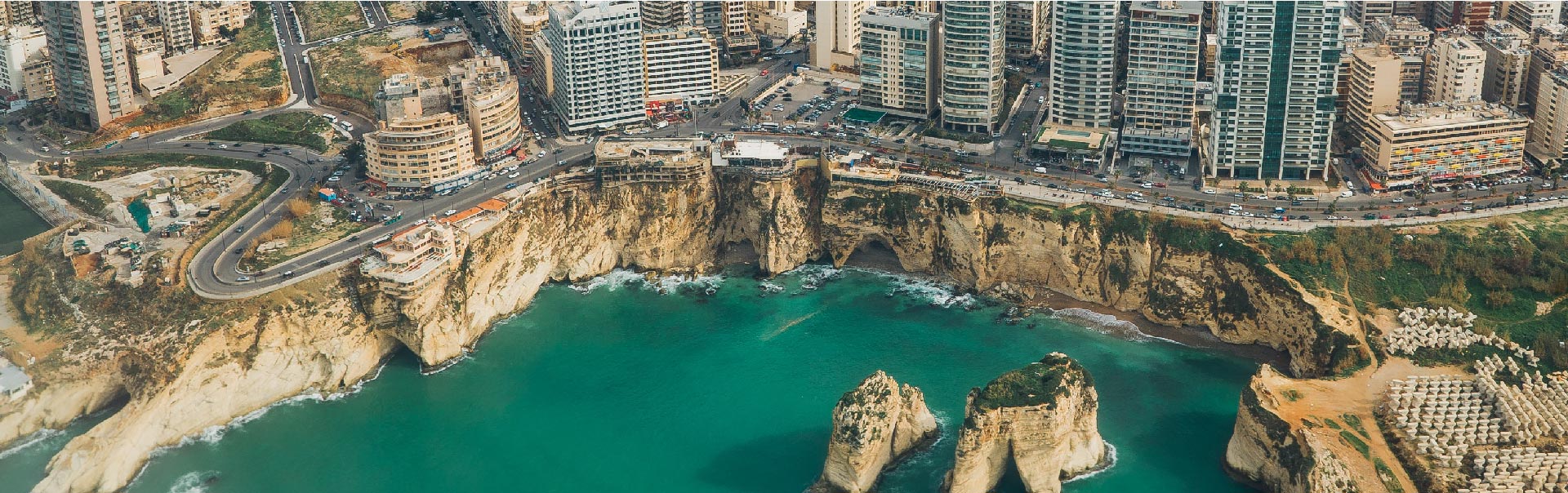
• Raouche / Pigeon Rocks (Beirut): Iconic coastal rock formations and seaside promenades.
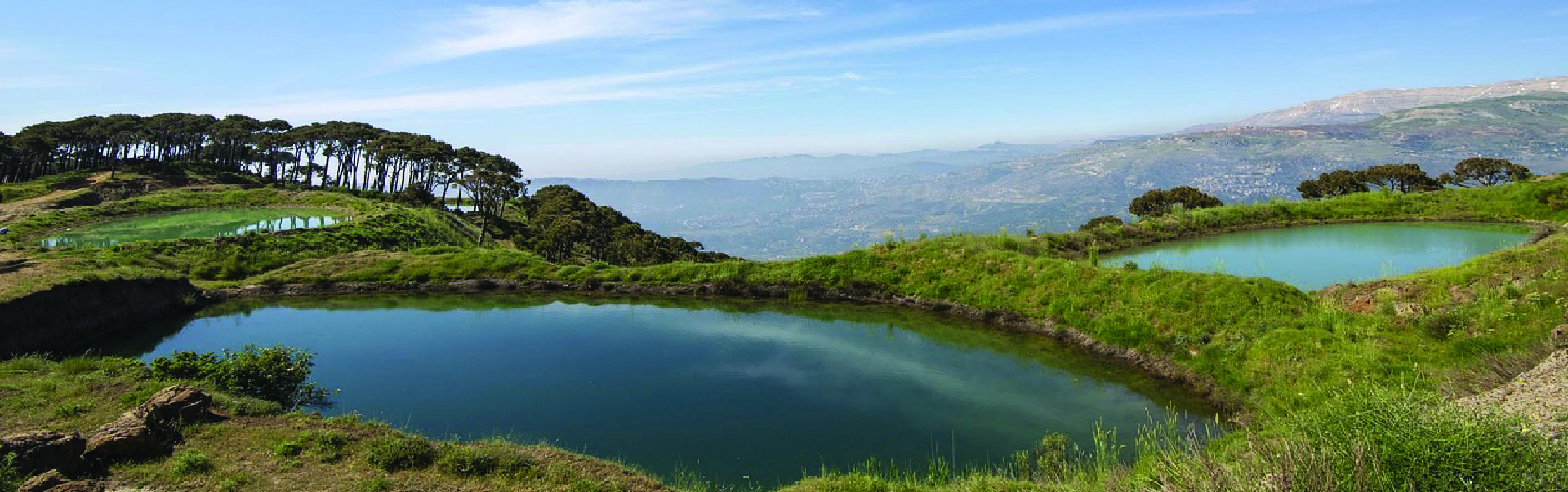
• Cedars of God Forest: Ancient cedar trees high in the mountains – symbolic of the country’s natural heritage.
• Harissa & Our Lady of Lebanon: Panoramic views over the coast with a religious landmark.
• Beirut Corniche & Nightlife: Seafront walks, buzzing cafés and modern city life.
• Wine Country (Beqaa Valley): Vineyards, wine-tasting and gastronomic experiences amidst scenic countryside.
• Comfortable walking shoes for historic sites and city exploration.
• Swimwear and sun protection (hat, sunglasses, sunscreen) for coastal areas.
• A light jacket or sweater for cool evenings, especially in higher altitudes.
• Warm layers, boots and winter gear if visiting mountain resorts in cold season.
• Travel adapter (Lebanon uses European-style plugs, 230 V) and essentials for both beach and mountain zones
These months bring mild weather, blooming landscapes, and fewer crowds — perfect for sightseeing and exploring the country’s rich culture.
• Weather: Warm days (20°C–28°C), cool evenings, and little rain.• Activities: Ideal for visiting Beirut, Byblos, Baalbek, and mountain villages.
• Scenery: Lush greenery and wildflowers in spring; colorful foliage in autumn.• Travel perks: Comfortable climate and relaxed travel atmosphere. Perfect for: Cultural sightseeing | Food & wine tours | Scenic drives | Photography trips
2. Summer Season: July to August
This is the peak tourist season, especially along the Mediterranean coast.• Weather: Hot and sunny (28°C–35°C), with cooler air in the mountains.
• Activities: Beach holidays, nightlife in Beirut, and festivals across the country.
• Mountains: Great for hiking and escaping the coastal heat.
• Atmosphere: Energetic, festive, and full of life. Perfect for: Beach vacations | Festivals | Nightlife lovers | Mountain escapes
3. Winter Season: December to March
Lebanon transforms into a winter wonderland in the mountains while remaining mild along the coast.
• Weather: Snow in highlands, cool and rainy in lowlands.
• Activities: Skiing and snowboarding in Faraya and The Cedars; cozy mountain retreats.
• Beaches: Still enjoyable for walks or seaside dining in Beirut and Byblos.
• Festivities: Christmas markets and winter celebrations.Perfect for: Ski trips | Winter holidays | Scenic mountain stays
4. Rainy Season: Late November to March (Mainly Coastal)
Rain showers refresh the landscape and bring out Lebanon’s lush beauty.
• Weather: Occasional heavy rains, especially along the coast.
• Landscape: Green and vibrant, perfect for photography.
• Travel perks: Fewer tourists, lower hotel rates, and peaceful sightseeing.Perfect for: Budget travelers | Cultural explorers | Relaxed getaways