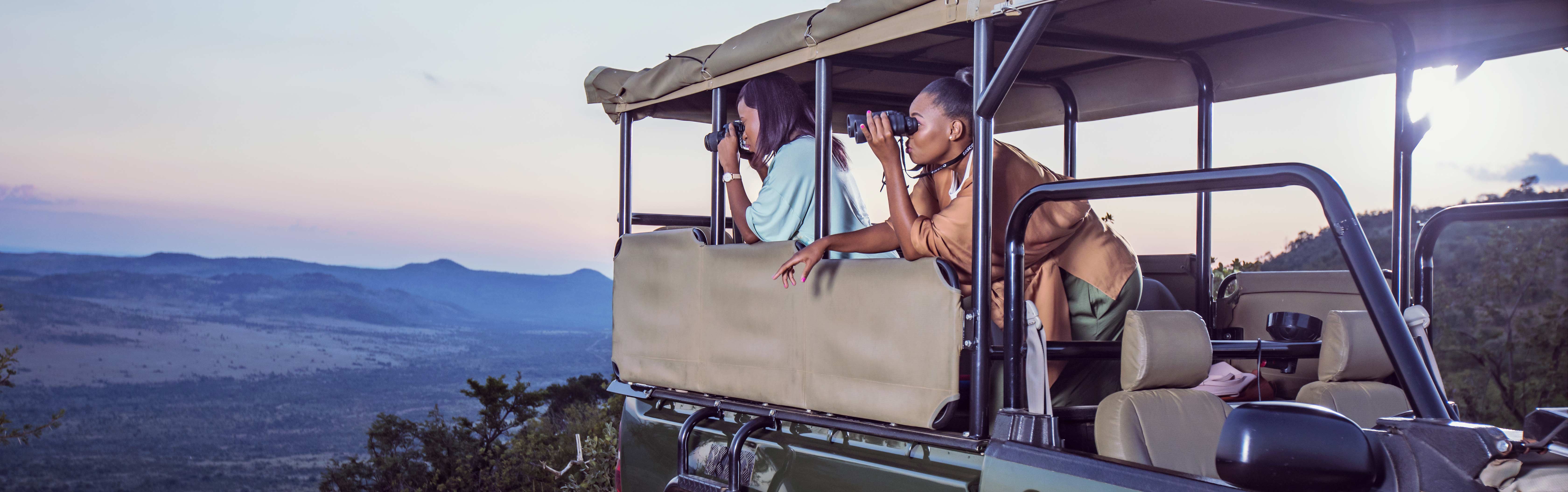
South Africa
South
Africa, located at the southernmost point of the African continent, is a nation
known for its extraordinary diversity—of people, landscapes, languages, and
cultures. Often referred to as the “Rainbow Nation,” it reflects a
complex history marked by struggle and transformation and a present defined by
resilience, innovation, and vibrant multiculturalism.
South
Africa boasts some of the most striking scenery in the world. From the iconic Table
Mountain overlooking Cape Town, to the dramatic peaks of the Drakensberg, to
the wildlife-rich plains of Kruger National Park, the country offers unmatched
ecological variety. Its coastline stretches along both the Atlantic and Indian
Oceans, creating diverse marine environments and world-renowned beaches.
The country’s history is one of complexity and contrast. South Africa experienced centuries of colonization and racial segregation culminating in the apartheid system, a rigid racial policy enforced from 1948 to the early 1990s. The peaceful transition to democracy in 1994, led by global icon Nelson Mandela, stands as one of the most remarkable political transformations of the 20th century. The country is a paradise for nature lovers, home to the “Big Five”—lion, leopard, rhino, elephant, and buffalo. South Africa is a global leader in wildlife conservation, balancing the challenges of poaching, habitat loss, and climate change with innovative protection efforts.
South
Africa, located at the southernmost point of the African continent, is a nation
known for its extraordinary diversity—of people, landscapes, languages, and
cultures. Often referred to as the “Rainbow Nation,” it reflects a
complex history marked by struggle and transformation and a present defined by
resilience, innovation, and vibrant multiculturalism.
South
Africa boasts some of the most striking scenery in the world. From the iconic Table
Mountain overlooking Cape Town, to the dramatic peaks of the Drakensberg, to
the wildlife-rich plains of Kruger National Park, the country offers unmatched
ecological variety. Its coastline stretches along both the Atlantic and Indian
Oceans, creating diverse marine environments and world-renowned beaches.
The country’s history is one of complexity and contrast. South Africa experienced centuries of colonization and racial segregation culminating in the apartheid system, a rigid racial policy enforced from 1948 to the early 1990s. The peaceful transition to democracy in 1994, led by global icon Nelson Mandela, stands as one of the most remarkable political transformations of the 20th century. The country is a paradise for nature lovers, home to the “Big Five”—lion, leopard, rhino, elephant, and buffalo. South Africa is a global leader in wildlife conservation, balancing the challenges of poaching, habitat loss, and climate change with innovative protection efforts.

South Africa is
divided into 9 provinces, each offering unique landscapes, wildlife,
cities, and attractions.
1. Gauteng
Province
Urban center
& cultural heart.
Key Areas
Ø Johannesburg – business hub, museums
Ø Pretoria – administrative capital
Ø Soweto – heritage township
2. Western
Cape Province
Mountains,
beaches, wine valleys.
Key Areas
Ø Cape Town – Table Mountain, beaches
Ø Stellenbosch & Franschhoek – wine estates
Ø Cape Winelands – vineyards and food
3. Eastern
Cape Province
Wild coastline
& wildlife.
Key Areas
Ø Port Elizabeth (Gqeberha)
Ø East London
Ø Wild Coast
4.
KwaZulu-Natal Province
Beaches,
culture, mountains.
Key Areas
Ø Durban – golden beaches
Ø Drakensberg – high mountains
Ø Hluhluwe – wildlife
5.
Mpumalanga Province
Home to South
Africa’s top wildlife and scenic routes.
Key Areas
Ø Kruger National Park (southern side)
Ø Panorama Route
Ø Nelspruit
6. Limpopo
Province
Warm, wild,
historical.
Key Areas
Ø Kruger (northern side)
Ø Magoebaskloof
Ø Polokwane
7. North
West Province
Adventure and
wildlife.
Key Areas
Ø Sun City – resort & casino
Ø Pilanesberg National Park
8. Northern
Cape Province
Desert
landscapes & stargazing.
Key Areas
Ø Kalahari Desert
Ø Kimberley
Ø Namaqualand
9. Free
State Province
Calm plains
& historical towns.
Key Areas
Ø Bloemfontein
Ø Clarens
- Table Mountain (Cape Town)
- Kruger National Park
- Cape Point & Cape of Good Hope
- Robben Island
- Garden Route
- Drakensberg Mountains
- Blyde River Canyon
- Addo Elephant National Park
- Durban Beaches
- Soweto Heritage Sites
- Namaqualand Flowers (Aug–Sep)
- Pilanesberg National Park
Souvenirs
& Local Items to Buy
- African Art & Sculptures
- Beaded Jewelry & Traditional
Crafts
- Zululand Baskets & Handwork
- South African Wines (Stellenbosch)
- Rooibos Tea
- Leather Handbags, Belts & Shoes
- Aloe Vera Skincare Products
- Safari Clothing & Hats
- Local Spices (Peri-peri, Braai
spices)
- Hand-crafted Wooden Bowls &
Animal Carvings
South Africa is
great year-round, but the best time depends on what you want to do.
1. Dry
Winter Season (May – September)
Best for:
✔ Kruger
safaris
✔
Wildlife viewing
✔
Outdoor adventures
2. Summer
Season (November – March)
Best for:
✔
Beaches
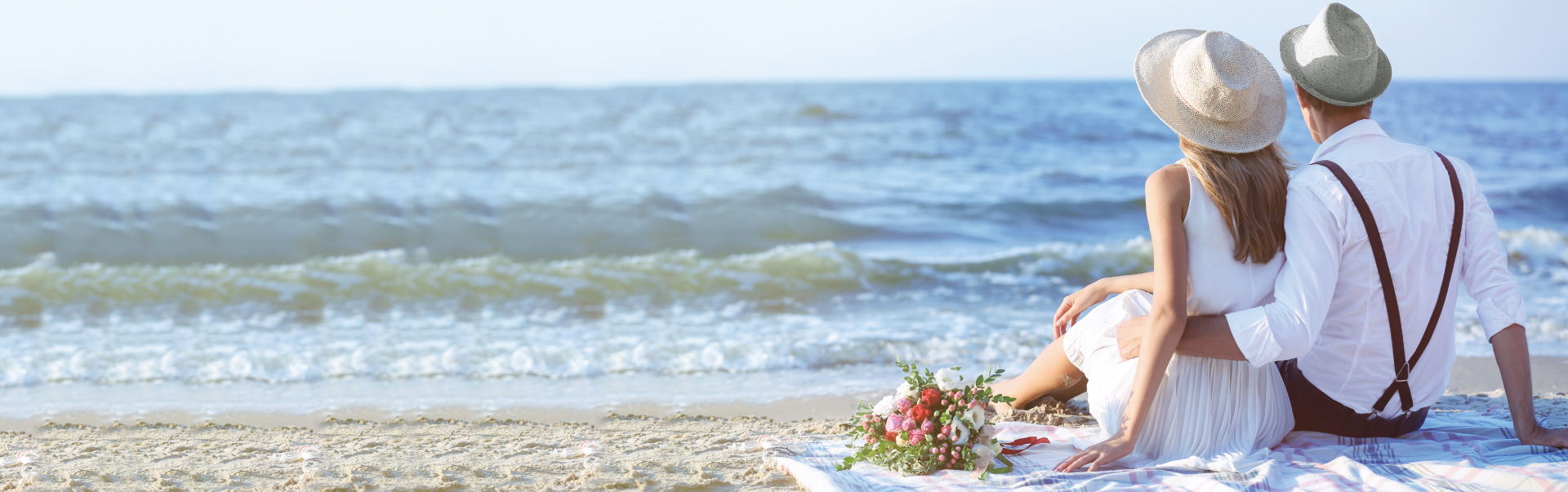
✔ Cape
Town tours
✔ Garden
Route Road trips
3. Shoulder
Seasons (April & October)
Best for:
✔
Balanced weather
✔ Fewer
crowds
✔ Great
photography